 6 hours ago
4
6 hours ago
4
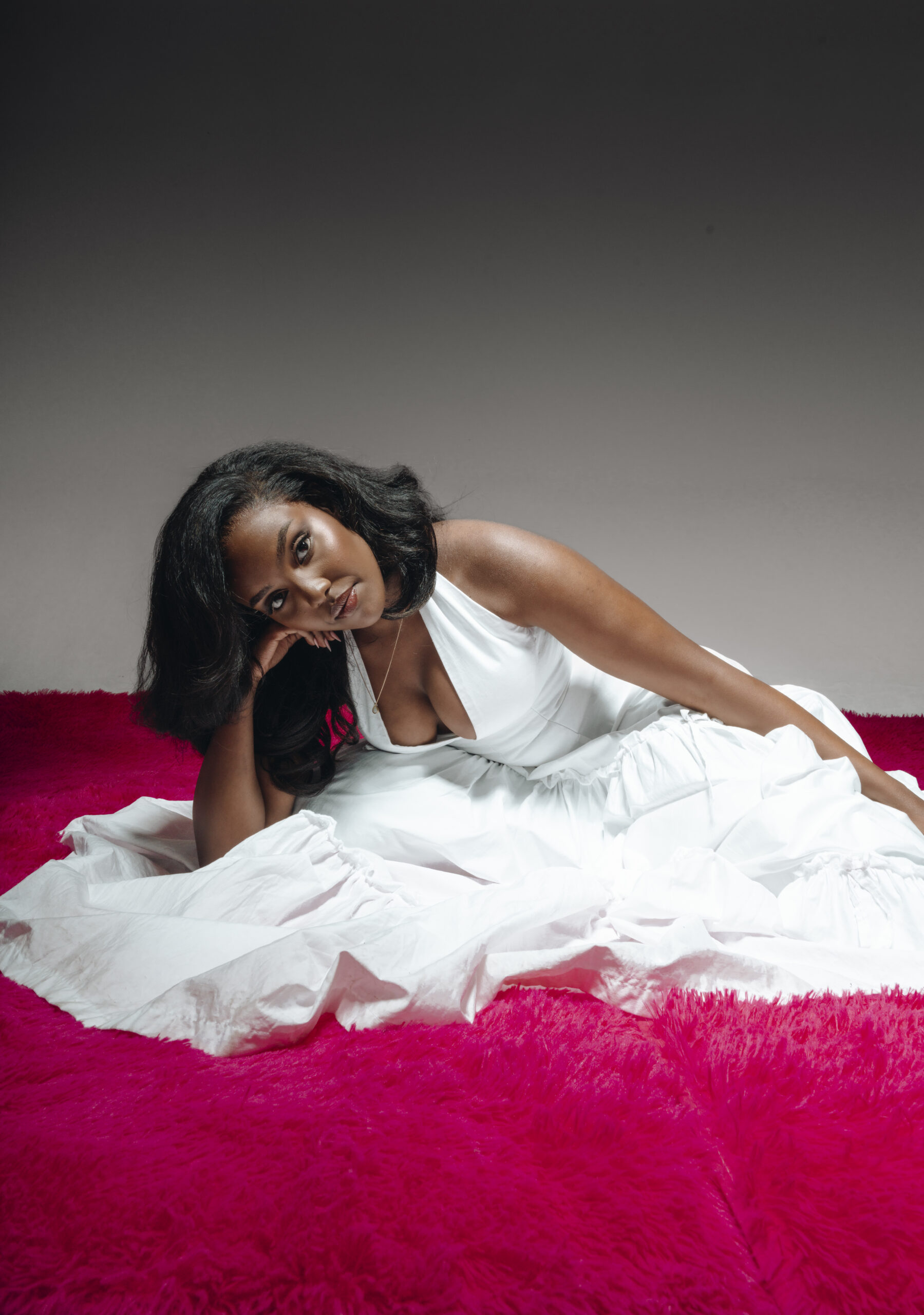
Nikita Kering
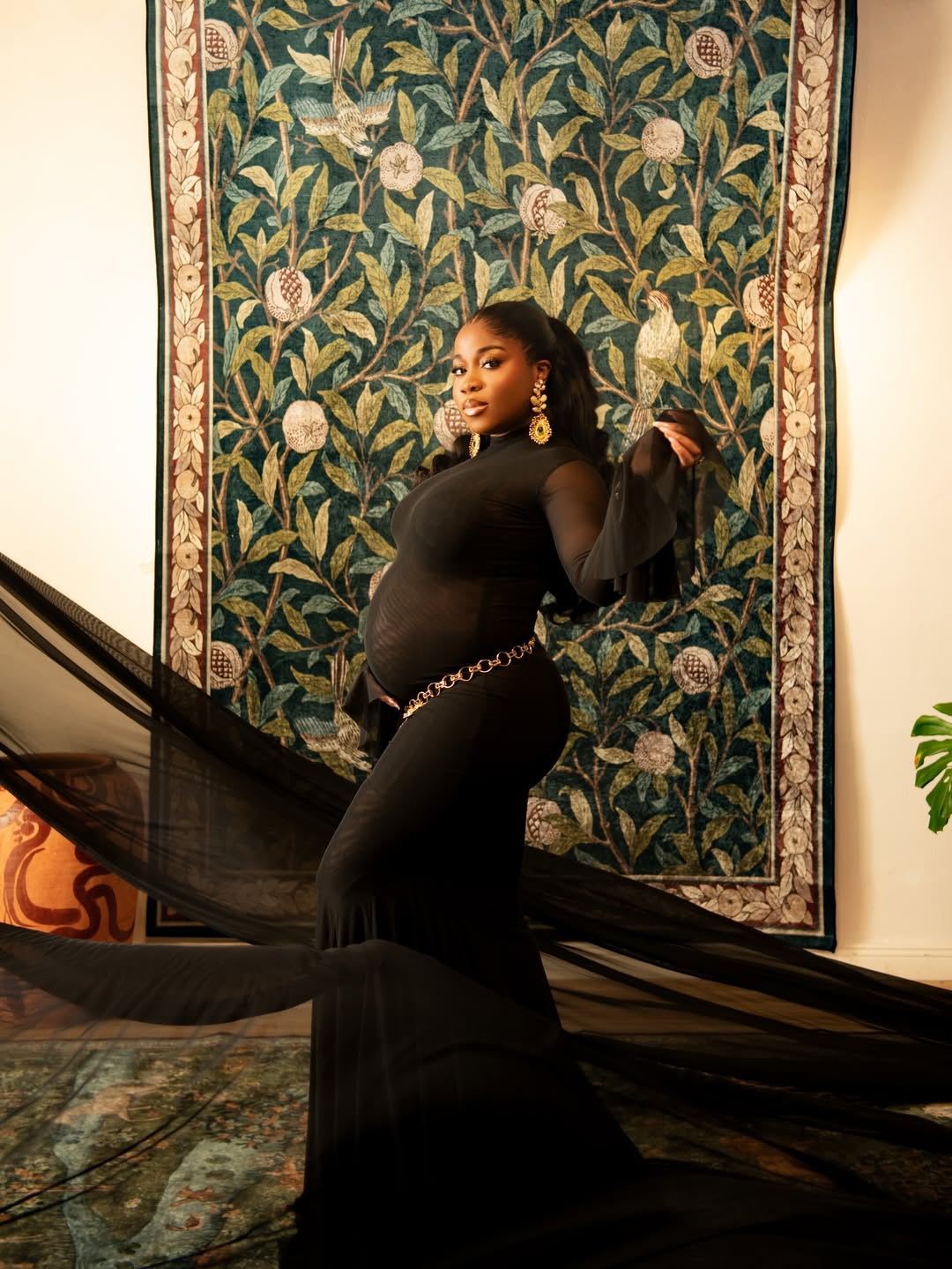
At just three years old, Nikita Kering was already performing for an audience, though at the time, that audience was mostly relatives gathered for family celebrations. It began as a child’s fearless instinct to sing wherever people would listen, and has since evolved into one of the most remarkable young careers in African music today. Now 24, the Nairobi-born singer is considered one of Kenya’s national treasures.
Nikita spent her early years singing in school and church choirs, constantly placed before audiences by her mother, who early recognised that her daughter’s gift demanded a stage. Her first major public breakthrough came in 2011 when she performed at the album launch of gospel star Emmy Kosgei; the performance announced the arrival of a talent poised to travel far beyond the walls of church halls and community stages.
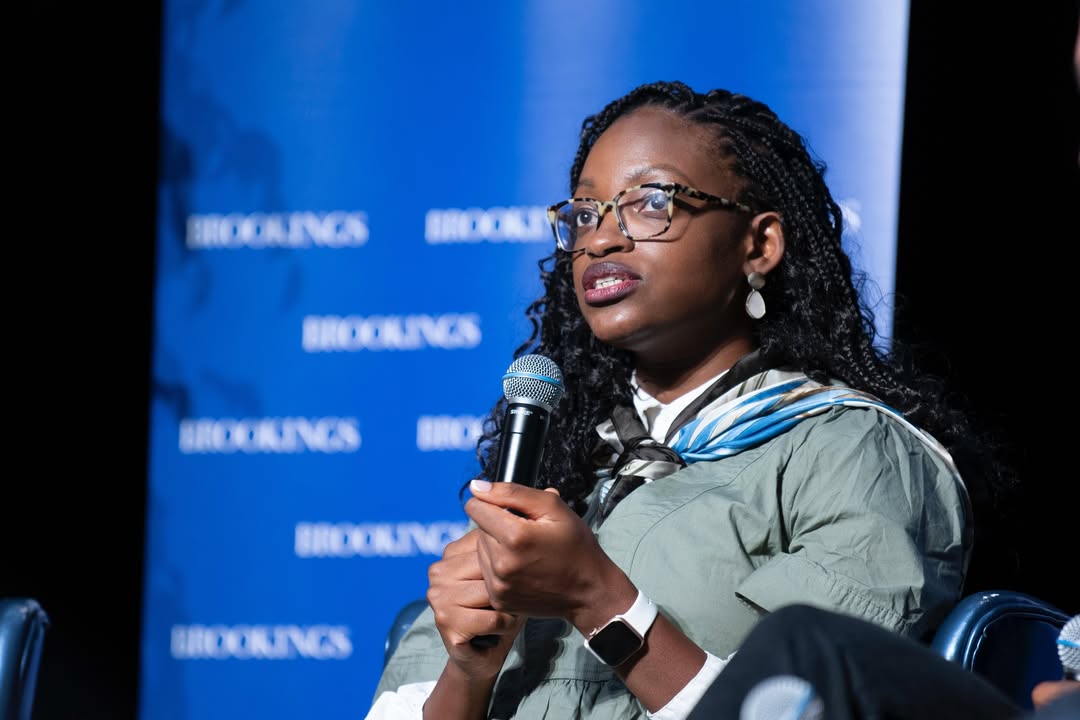
More than a decade later, Nikita has become one of Kenya’s most-streamed female artists with a million followers across her social platforms and millions of streams on Spotify. She has collaborated with artists across the continent, including Fave, Msaki, and Bien, while also appearing on global platforms such as performing at the BBC 1Xtra Afrobeats concert, contributing to Netflix’s Queen Charlotte music campaign and speaking at the Forbes Women Summit in Pretoria. Nikita represents a new generation of African artists whose ambitions are continental and global.
Nikita Kering’s goal, she says, is simple: To do things that have never been done before, not merely for herself, but to show young people in Kenya and across Africa that dreaming beyond familiar limits is not only possible, it is necessary. In this conversation, she talks to me about her process of making music and how the journey started.
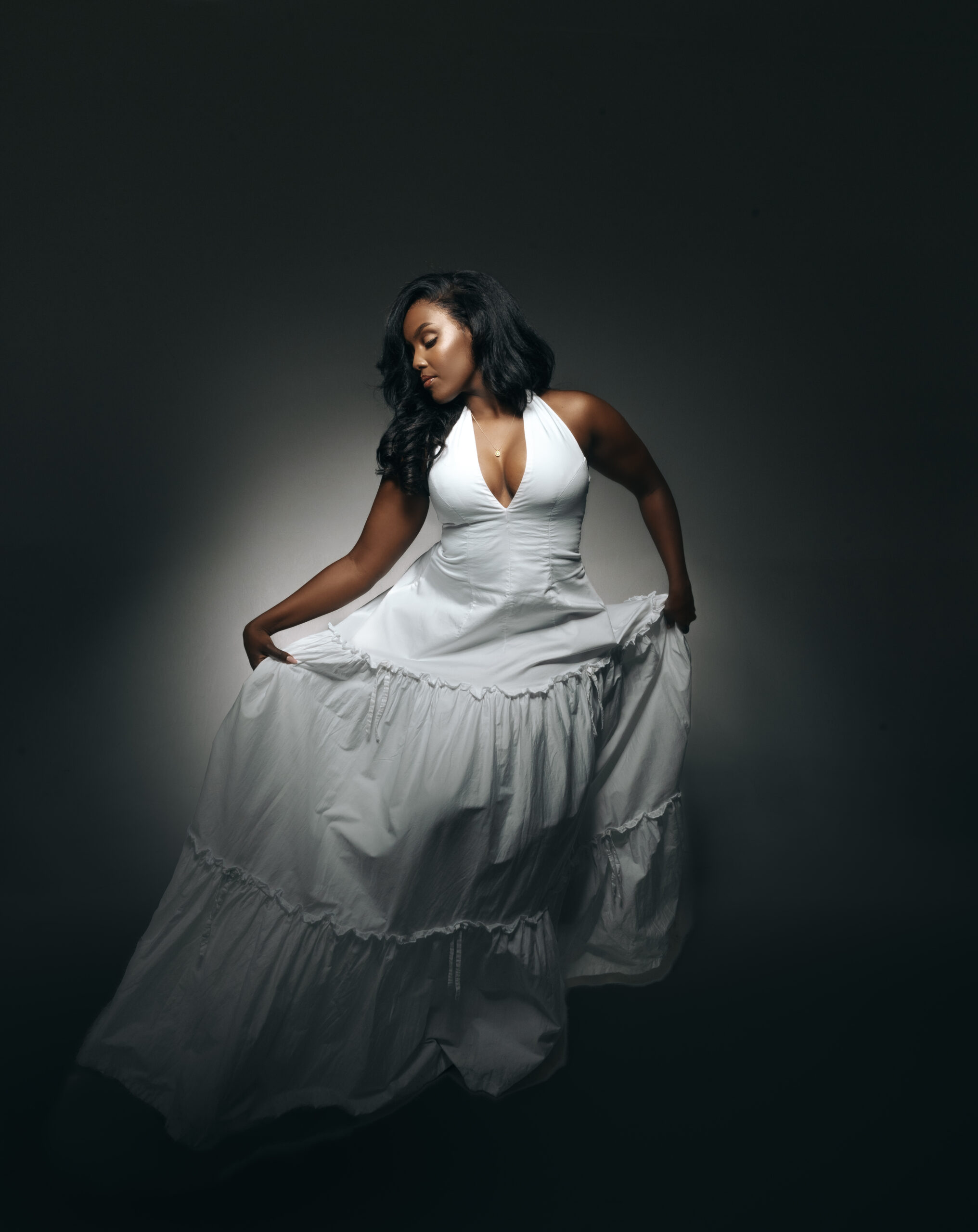
Nikita Kering
Hello Nikita. How are you feeling today?
I’m feeling okay. Haven’t had the best month, but I have so many things to be grateful for, so I’d say I’m good.
Please tell us about yourself – your background, childhood, education and an aspect of your childhood that influenced who you are today
I grew up in Nairobi, singing in the choir and always leading performances. I lived in an estate, a gated community, so there were lots of kids around, and I got to sing, lead and to also teach people how to sing and how to dance, and I think that definitely helped my confidence. Also, as I grew up, my mom discovered that I could sing, and so she took every opportunity to put me in front of an audience. So, I’d say I’ve probably done upwards of 200 performances just in my childhood, unpaid, just practising for this future that I’m currently living right now.
Wow, that is such an amazing childhood. It’s like the saying, “I was born and into this.”
Yeah, you could say that.
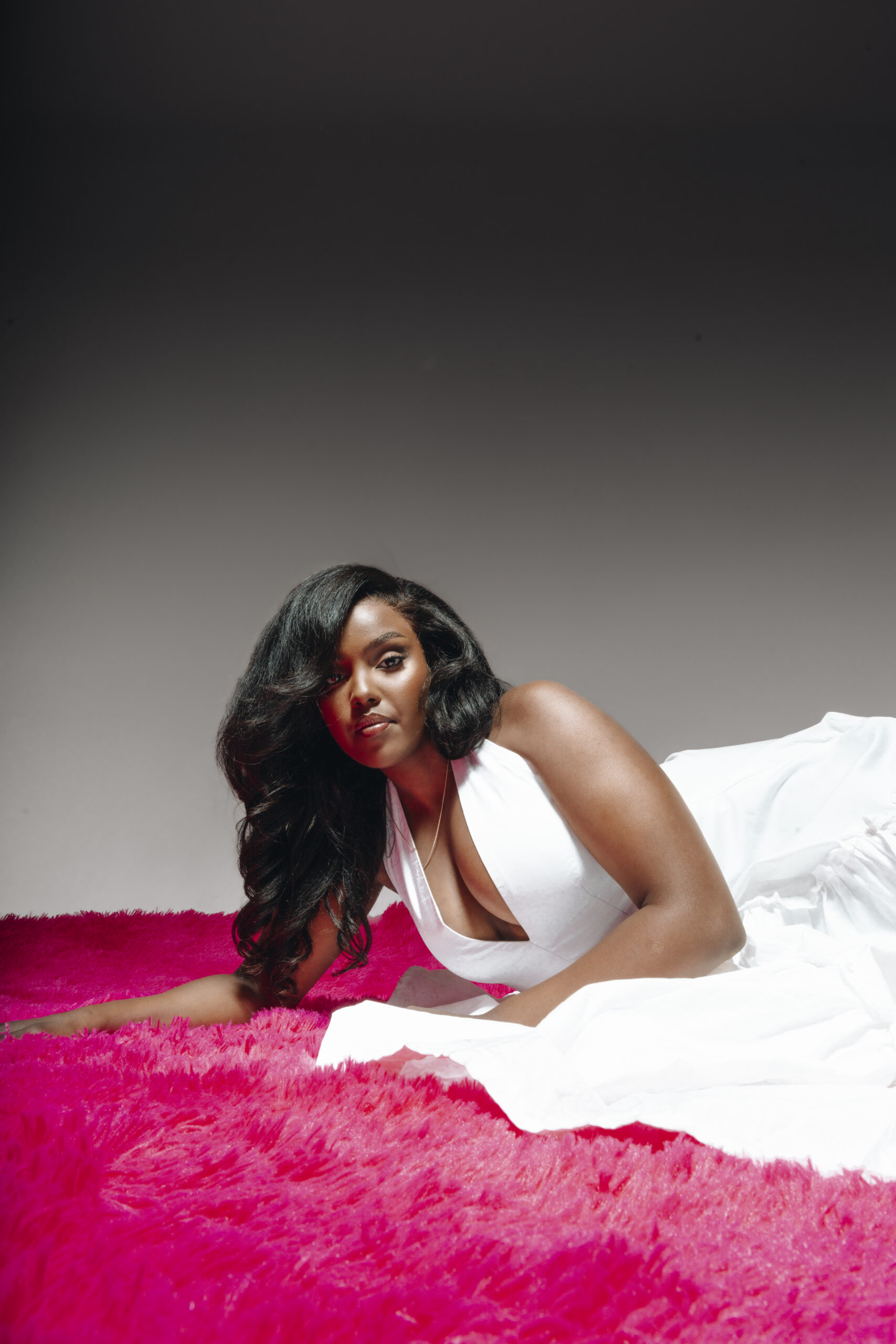
Nikita Kering
So, realising that you started singing from an early age, what were the earliest musical influences, and when did you first realise music could become your path?
As I said, I grew up singing in the choir at school and also in church, and I grew up singing gospel music with a singer called Emmy Kosgei, who sang in my mother tongue, and so she was one of the biggest inspirations in the musical space for a lot of young girls, including myself. She showed me how to navigate the industry, and I also got to see her in a leadership role; that was very, very inspiring for me, especially in learning how to manage a business. It showed me that as a young girl, I could take up space, manage teams, and I should be confident at that. So that was very inspiring for me.
One of the earliest musical influences I had growing up, funny enough, was a Tanzanian singer called Rose Muhando. I also listened to lots of P-Square and Makoma. I listened to a lot of mainstream American pop and R&B. I loved Jojo. I loved Rihanna. I loved Whitney Houston.
Some influences, those. But if you could select an idol, like your African music idol growing up, who would you mention?
African music idol? To be honest, it’s either Rose Muhando or P-Square.
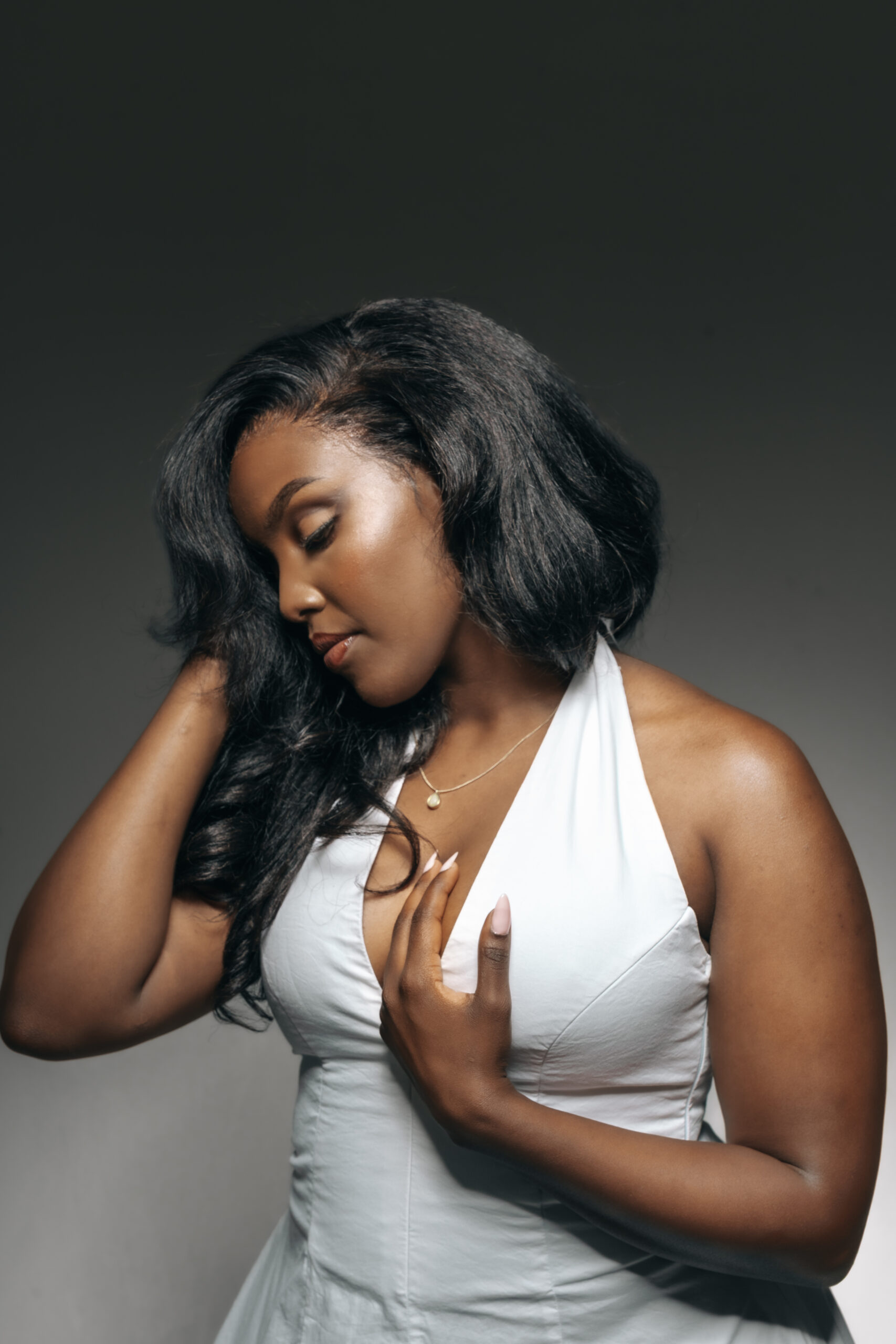
Nikita Kering
At a young age, you’ve achieved some really impressive strides. What moment in your journey so far are you really proud of?
What moment in my journey am I really proud of? I think the moment I’m most proud of was when I found out I was going to perform on Coke Studio. I was honestly shocked because it’s something I watched a lot growing up, and I always wanted to be a part of it, and even used to send in applications and requests.
So, when the opportunity finally came, it felt surreal because I wasn’t actively chasing it at that moment. It felt like it just landed in my lap, but really, my team had been working hard to get it, and eventually Coke Studio reached out and said they wanted to work with me, and that was such a full-circle moment for me. So, for me, that was a big deal.
When you sit down to create a song, what does your songwriting (song making) process look like – from the first idea to the finished record?
My songwriting process is different each time. It depends. Sometimes I get a lyrical idea, but most times I get a melodic idea, and so I could literally be shopping or in the shower, and so I start recording my idea on my phone as a voice note, then later when I’m settled around my piano, I go back and listen to the ideas I had before and start creating a story around it, depending on certain words that I may have used when I was creating the melodic idea. Then I record myself singing on the piano. And when I go to the studio, I play it for the producer, and the producer then puts it down, and I guess gets inspired by it as well.
As African music continues to influence global sound, collaboration is becoming more important across the continent. Is there an African artist you would love to collaborate with someday?
African artists that I’d love to collaborate with? I’d really love to collaborate with Qing Madi. I’d also really, really love to collaborate with DJ Maphorisa and also with Odeal.
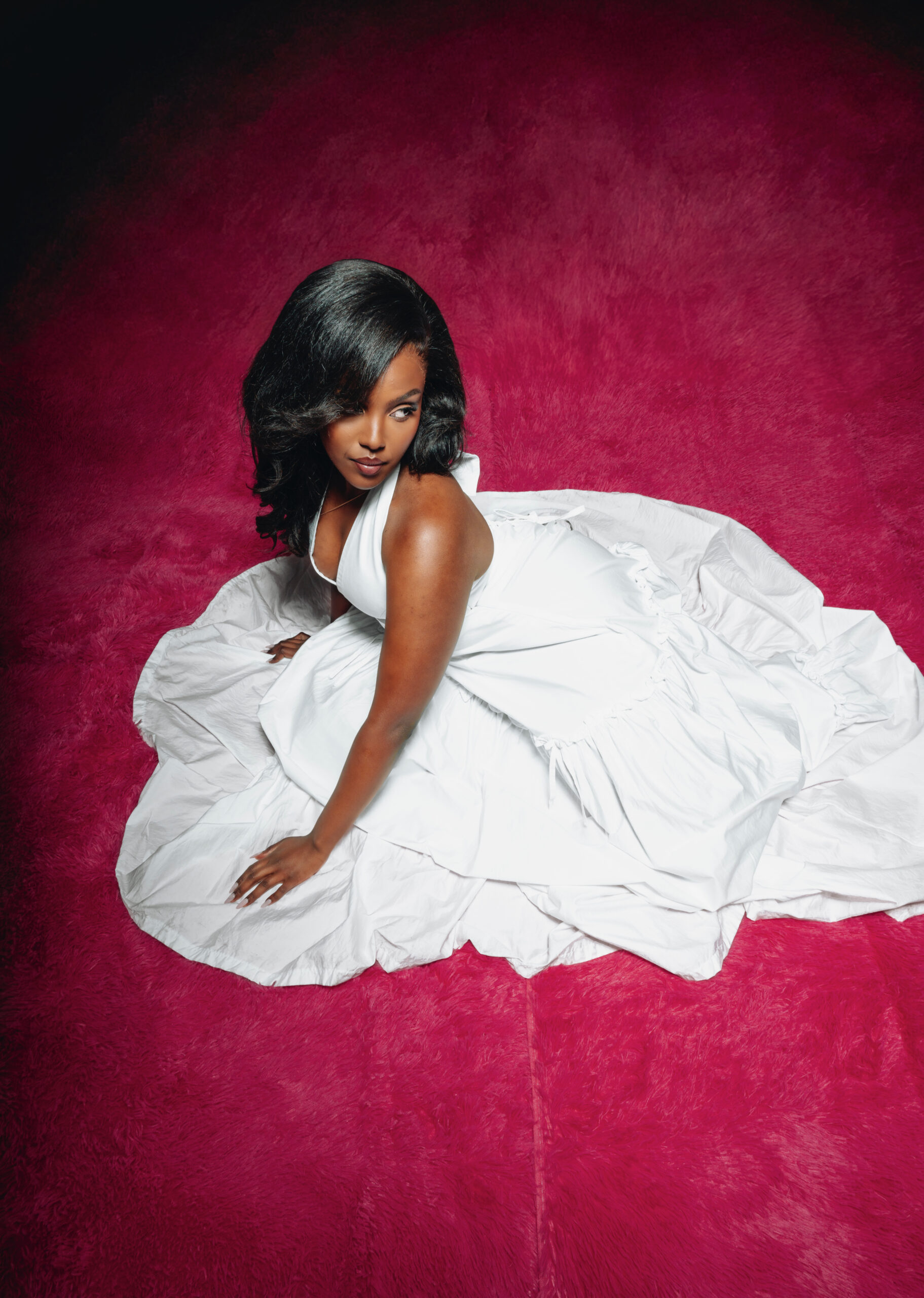
Nikita Kering
When you think about the future, what is the dream that keeps pushing you forward – whether it’s a stage you wish to perform on, a kind of album you want to make, an award or the legacy you hope to leave as an African artist?
When I think about the future, it’s not a specific goal that I’m looking at or winning an award. I just want to do things that people in my country haven’t done before, for the sole purpose of showing other people and young people that the dream is attainable. It’s not crazy to think that you’re going to be the biggest superstar, even though you look different, even though you sound different and don’t fit into the societal standards. Like, you can still make it, and you can make it while being yourself. You know what I mean?
I understand you. And I believe in your power and what you would do for your country. Thank you for chatting with me
Thank you for having me.
The post Meet Nikita Kering, Kenya’s Rising Global Star appeared first on BellaNaija - Showcasing Africa to the world. Read today!.