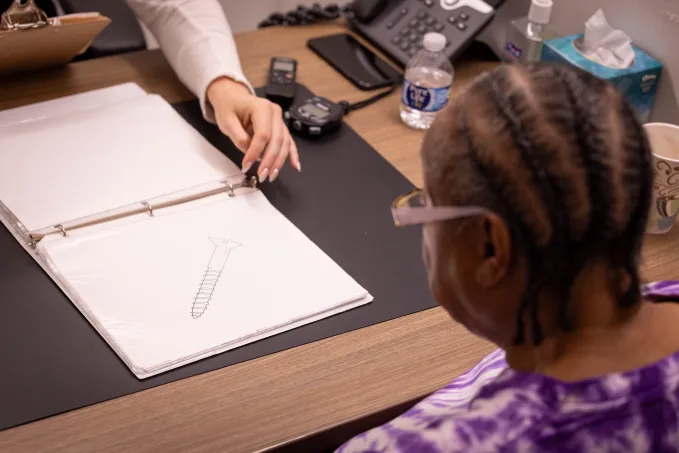
People in their 80s and 90s who maintain exceptional memory and mental clarity known as SuperAgers may hold a biological secret to healthy brain aging. A new study found that these individuals produce twice as many young neurons as cognitively healthy older adults and about 2.5 times more than people living with Alzheimers disease. The findings suggest the aging brain still has the ability to regenerate itself. Dr. Tamar Gefen, a psychiatry and behavioral sciences professor at Northwestern University Feinberg School of Medicine, said the research demonstrates that the brain retains remarkable plasticity even later in life. Unlike mature neurons, which are stable, young neurons are highly adaptable. They grow, integrate, and form new connections more easily. According to Gefen, SuperAgers preserve a greater number of these immature neurons, giving their brains a more youthful quality. The study also found that SuperAgers have stronger cellular support systems within the hippocampus, the brain region responsible for memory. This enriched environment nurtures new neurons and supports neurogenesis, the process by which new brain cells are born and survive. Neurogenesis plays a vital role in maintaining cognitive performance as people age.
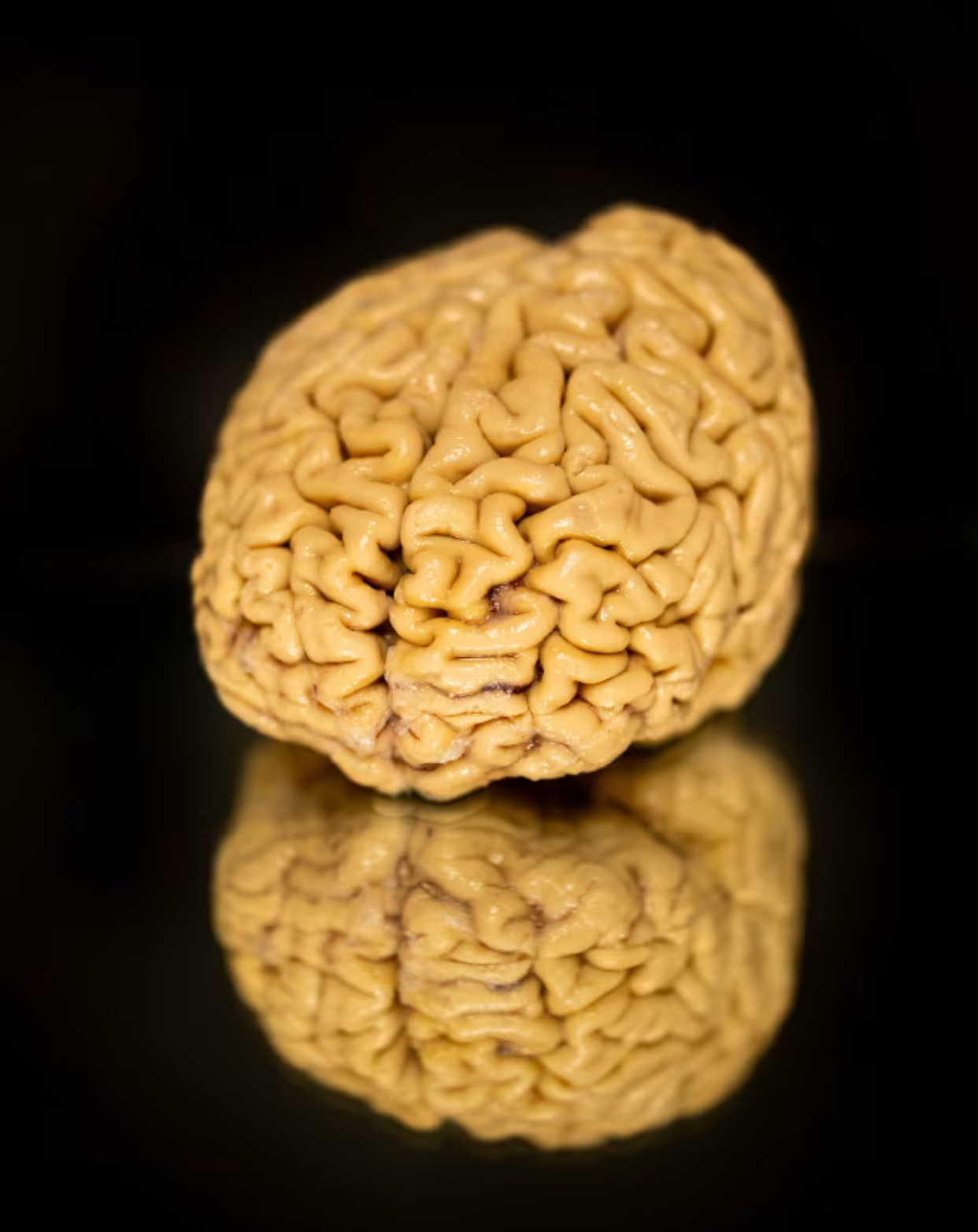
Senior author, Orly Lazarov, a neuroscience professor at the University of Illinois Chicago, noted that SuperAgers actually had more newly developed neurons than even adults in their 30s and 40s. She described their neurogenesis profile as a sign of resilience against age-related decline. Researchers say genetics may play a role, but lifestyle choices also matter. Dr. Richard Isaacson of the Institute for Neurodegenerative Diseases in Florida, who was not involved in the study, pointed to evidence that diet, regular exercise, stress reduction, quality sleep, and managing vascular health can promote brain growth and reduce hallmarks of Alzheimers disease, including tau tangles and amyloid plaques. To qualify as a SuperAger, a person must be over 80 and perform on memory tests at levels comparable to much younger adults. According to experts, SuperAgers typically excel in episodic memory, the ability to recall everyday events and personal experiences. Importantly, their cognitive edge is not simply due to higher intelligence. Many SuperAgers share personality and lifestyle traits. They tend to stay mentally engaged by reading or learning new skills, remain socially active, and often continue working or volunteering well into their 80s. However, researchers emphasize that healthy habits alone do not fully explain their brain structure. Brain tissue analysis revealed that SuperAgers have a thicker cingulate cortex, a region linked to attention and motivation, compared with people decades younger. Their hippocampus also contains significantly fewer tau tangles, a key marker of Alzheimers disease. Additionally, neurons in the entorhinal cortex, one of the first regions affected by Alzheimers, appeared unusually large and structurally robust. The study, published in the journal Nature, used a cutting-edge technique called multiomic single-cell sequencing. This allowed scientists to examine different cell types across donor brains, including SuperAgers, younger adults, healthy older adults, and individuals with dementia. Results highlighted two cell types as critical to memory preservation: astrocytes and CA1 neurons. CA1 neurons help store and retrieve experiences and are typically among the first damaged in Alzheimers disease. Astrocytes, which regulate blood flow and support communication between neurons, were found to play an enhanced supportive role in SuperAger brains. Researchers say these findings offer new insight into how certain brains resist the effects of aging. The coordination between immature neurons, CA1 circuits, and astrocytes appears to create a rich biological environment that protects memory and cognitive strength well into advanced age. The post
Scientists discover a key to staying mentally sharp in old age appeared first on
Linda Ikeji Blog.

.png) 3 hours ago
1
3 hours ago
1