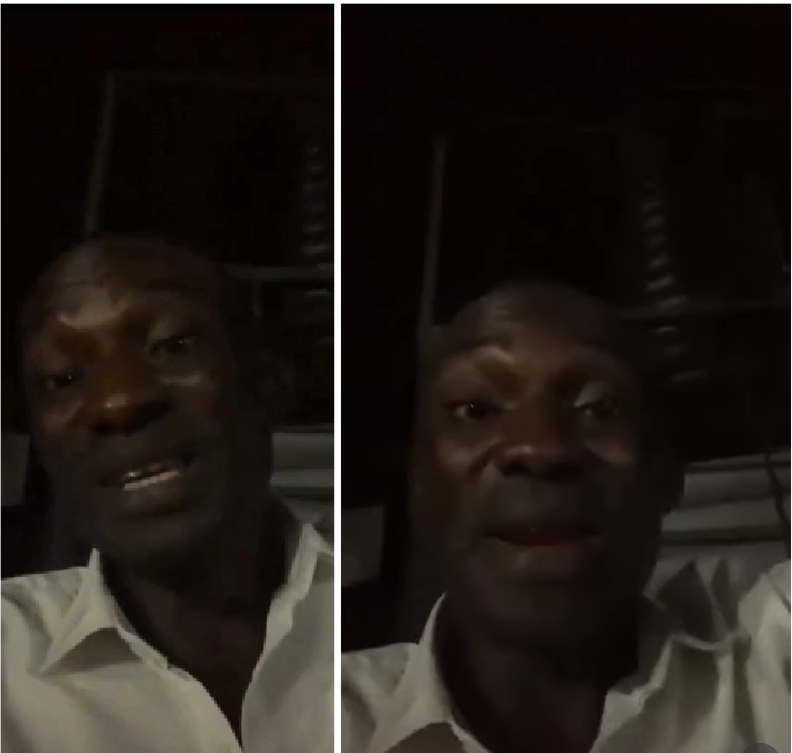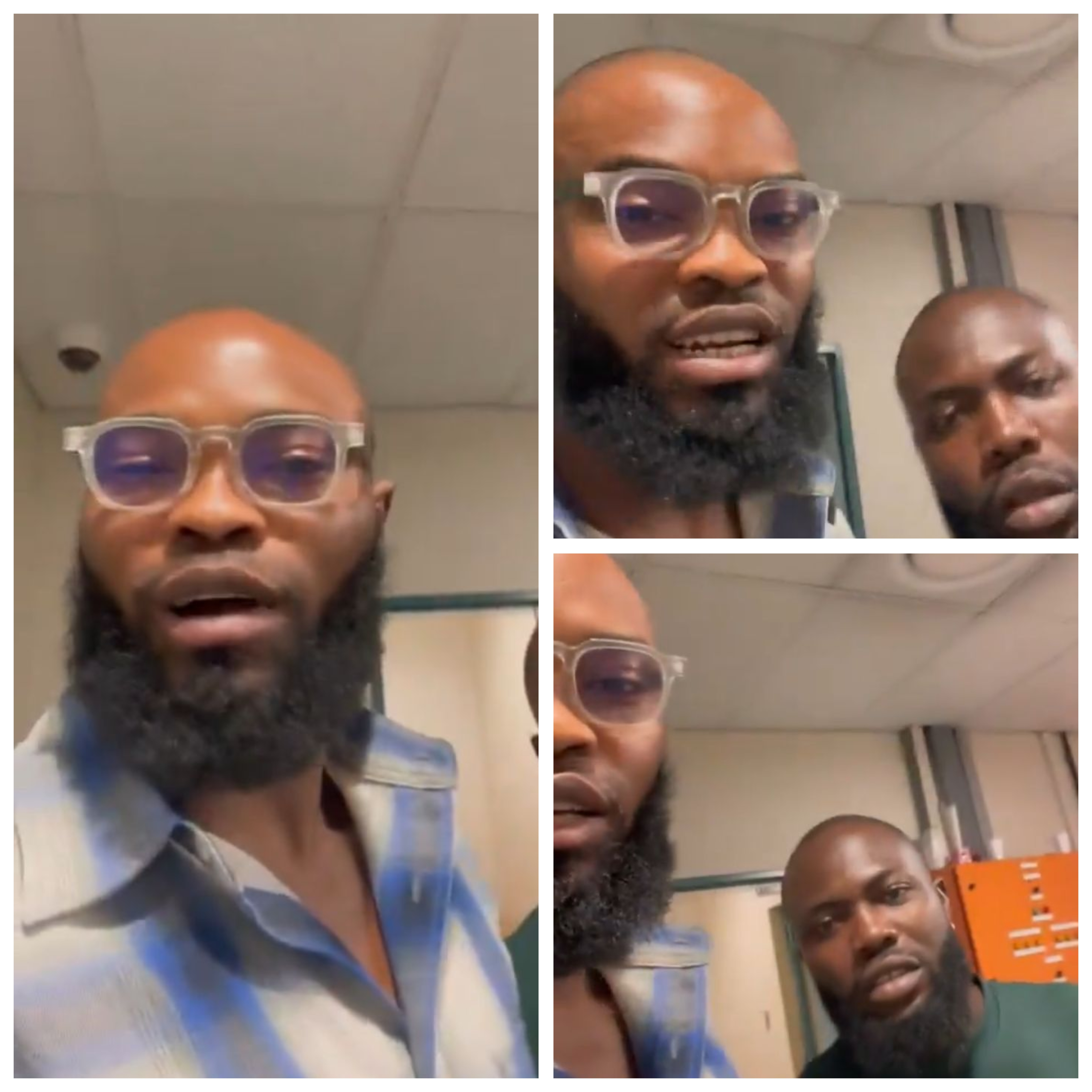
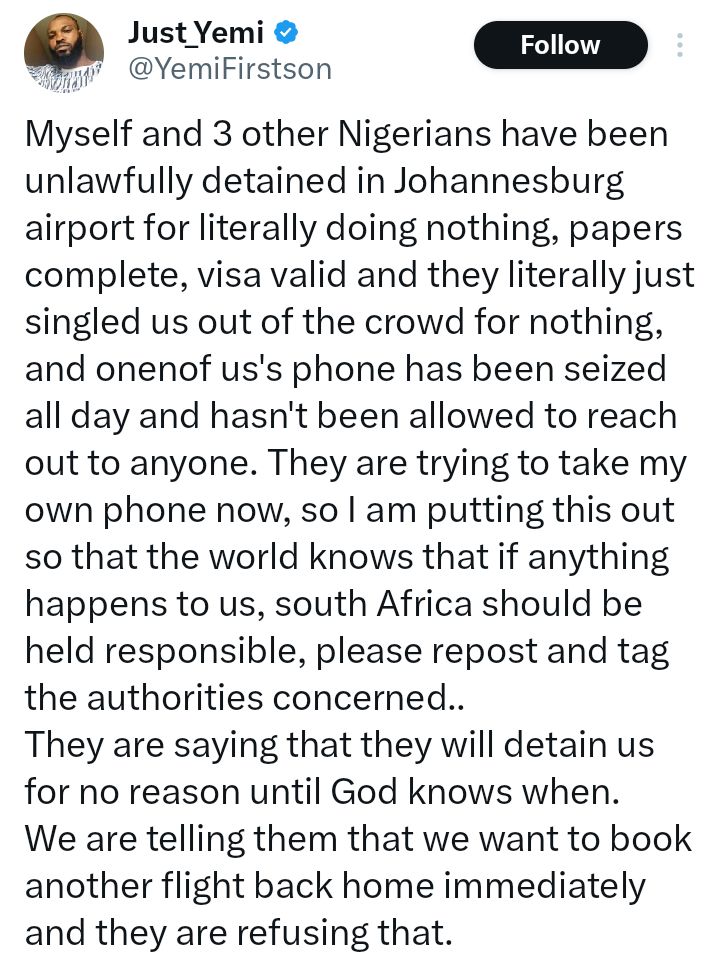
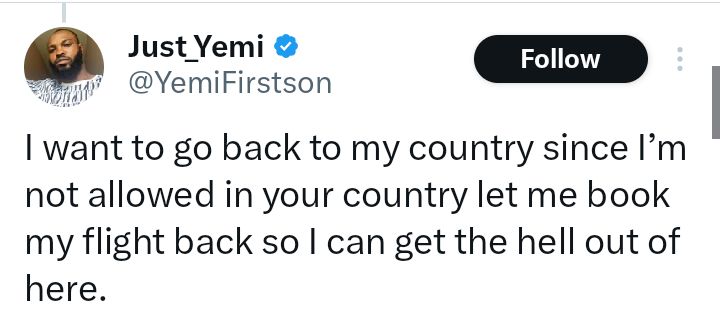
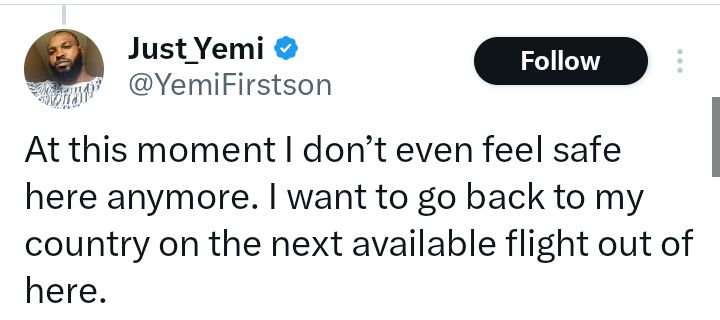
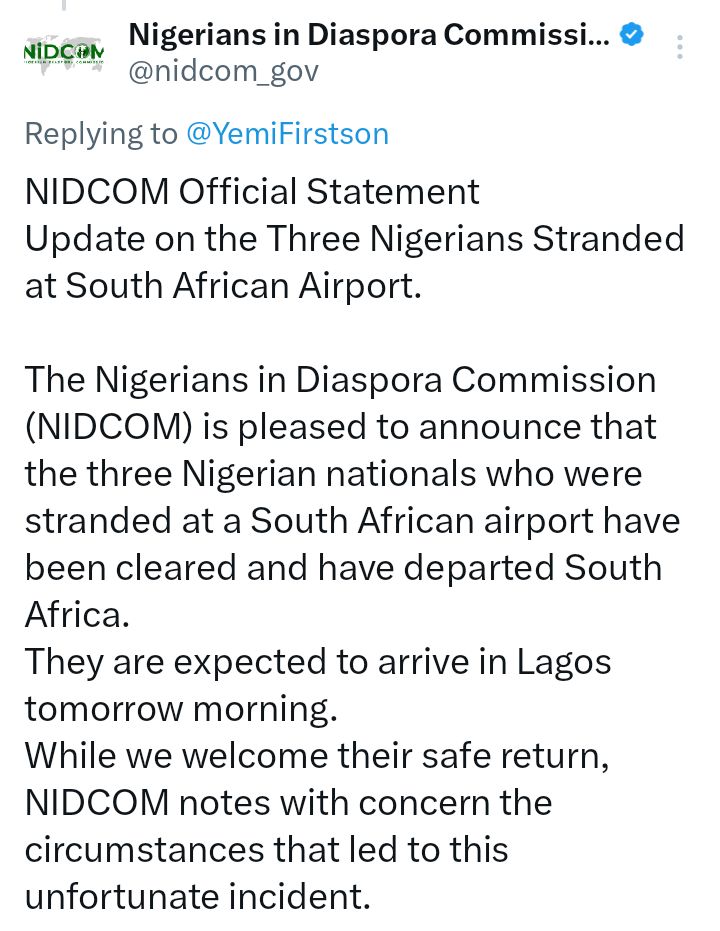
Authorities in South Africa have deported three Nigerian nationals after denying them entry over what officials described as insulting social media posts about the country's government. The incident occurred on Sunday, April 5, 2026 at O. R. Tambo International Airport. One of the deported travellers, a media personality identified as Yemi (@YemiFirstson) claimed in a series of posts that he and others had been unlawfully detained despite holding valid visas and travel documents. Yemi alleged that the officials singled them out, seized a phone, and initially refused their request to arrange an immediate return flight. He added that he felt unsafe and called for their prompt repatriation. South African immigration authorities confirmed the development in a statement titled Decisive Enforcement of Immigration Laws" and gave the reasons for their refusal of entry. "In your specific case, prior online posts containing insulting remarks about the South African government had already placed you on the authorities watchlist. Your inability to adequately explain or substantiate those statements during processing further aggravated the situation, the statement read in parts. The Nigerians in Diaspora Commission (NIDCOM) also confirmed the development, stating the affected nationals were expected back in Lagos on Monday morning. The commission advised Nigerian travellers to apply for visas through official channels or licensed agents, personally verify all application details, and carry supporting documentation when travelling. It also cautioned against the impact of online activity on immigration decisions. The Nigerians in Diaspora Commission (NIDCOM) is pleased to announce that the three Nigerian nationals who were stranded at a South African airport have been cleared and have departed South Africa. They are expected to arrive in Lagos tomorrow morning, the statement read. "While we welcome their safe return, NIDCOM notes with concern the circumstances that led to this unfortunate incident. "The core issue in many such cases stems from the over-reliance on unregulated visa agents. These agents often collect applicants passport data pages and complete sections of the visa application particularly on purpose of visit, itinerary, accommodation, and ties to Nigeria without the full knowledge or approval of the travellers. "Consequently, many applicants are unable to defend the information provided when questioned during immigration interviews, resulting in entry refusal. "In this particular case, one of the individuals had previously posted insulting remarks about the South African government online. This had already placed him on their watchlist. "When confronted at the port of entry, he was unable to defend or substantiate those statements, which further aggravated the situation. "NIDCOMs Advisory to All Nigerian Travellers:1. Apply for visas directly or through only licensed and verifiable agents. Never allow any third party to fill sections of your application without your full review and approval. "2. Ensure every detail submitted is accurate and that you can personally explain and defend it during any immigration interview. "3. Be mindful of your digital footprint. Immigration authorities, routinely conduct social media checks. Derogatory or inflammatory posts [about other countries or your home country] can lead to secondary screening or visa denial. "5. Always travel with genuine, well-documented reasons for your visit and carry all necessary supporting evidence. "NIDCOM will continue to monitor the situation and engage the relevant South African authorities to prevent recurrence of such incidents. "We strongly urge all Nigerians planning international travel to exercise due diligence. Responsible preparation protects not only the individual but also Nigerias reputation. NIDCOM thanks the Nigerian high commission in South Africa for their prompt intervention and will continue to follow up with the Ministry of Foreign Affairs and the Nigerian high commission in South.
The post
South Africa deports three Nigerians over 'insulting' social media posts about government appeared first on
Linda Ikeji Blog.

.png) 3 hours ago
3
3 hours ago
3