
.png) 11 hours ago
2
11 hours ago
2
As 2025 draws to a close, we’d be right to say it’s been a busy and revealing year for the technology sector.
We’ve seen progress in hardware innovation, strategic shifts around energy, infrastructure, and connectivity, the industry recorded milestones that point to where things are headed next.
From next-generation foldable smartphones to growth in satellite internet, here is a quick review of notable tech updates as the year wraps up.
Latest Gadgets
Samsung Galaxy Z TriFold
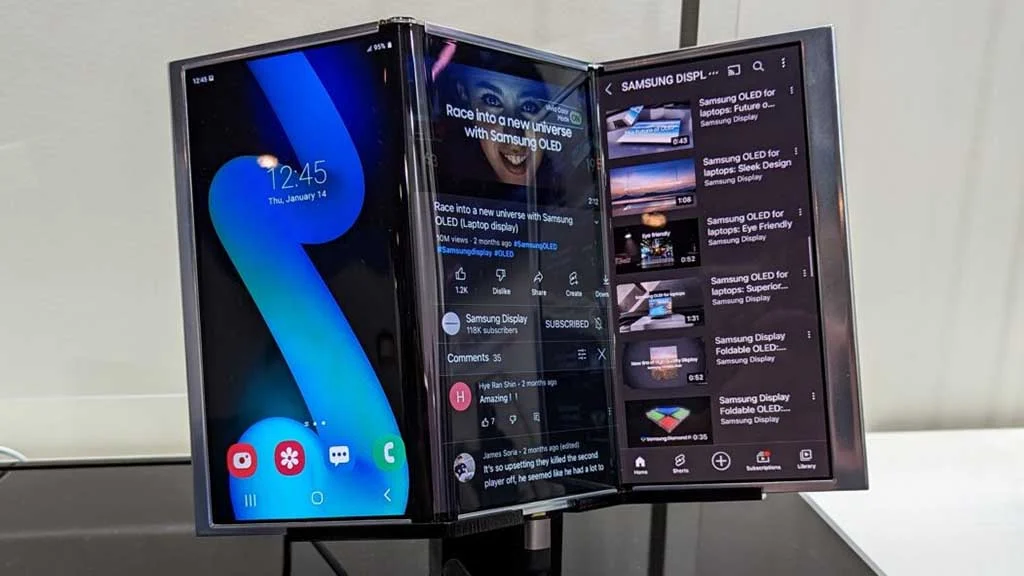 Samsung Galaxy Z TriFold
Samsung has officially entered the trifold smartphone category with the Galaxy Z TriFold, now available in South Korea and expected to roll out to more markets soon.
Priced at about $2,450, the device includes a wide 10-inch display when fully unfolded, supported by dual titanium hinges designed to protect the screen through repeated folds.
The phone runs on a customised Snapdragon 8 Elite processor and packs a 5,600mAh battery, the largest ever in a Samsung foldable. It also features a 200MP main camera.
What makes the device is its ability to run three apps simultaneously in portrait mode, pushing smartphone multitasking to a new level.
For early adopters, Samsung’s standalone DeX mode is a major productivity enhancement. The device can support up to four workspaces with as many as five apps running smoothly in the background.
Its flexible multi-window layout makes it especially useful for research, content creation, or tracking multiple information streams at once.
The Galaxy Z TriFold is expected to arrive in the U.S. market in Q1 2026. Wider user feedback will ultimately determine whether it can replicate the success of Samsung’s Z Fold lineup.
Key Features:
- Display: 10-inch Dynamic AMOLED 2X main screen (120Hz) when unfolded; 6.5-inch cover display
- Processor: Snapdragon 8 Elite (Galaxy edition)
- RAM & Storage: 16GB RAM; 512GB or 1TB storage
- Cameras: 200MP main, 12MP ultra-wide, 10MP telephoto (3x optical zoom), 10MP front camera
- Battery: 5,600mAh with 45W fast charging
- Durability: IP48 water resistance, dual titanium hinges
- Other features: Standalone Samsung DeX, Galaxy AI suite, Wi-Fi 7, UWB
- Dimensions:9mm thickness when unfolded; 309g weight.
Other smartphone releases this December
Many other smartphones were also launched this month across different price segments. Xiaomi’s 17 Ultra, expected on December 25, 2025, introduced further camera upgrades, including the first Leica APO-certified telephoto lens in a smartphone.
OnePlus continues to ensure relevance with its 15R series, featuring a 165Hz AMOLED display and a massive 7,300mAh battery. In the budget segment, the Redmi 15C and Realme P4x series are expanding access to 5G, offering large 6.9-inch screens at prices aimed squarely at emerging markets.
Tech News and Trends
Google Set to Acquire Intersect Power LLC
Beyond artificial intelligence, competition is strengthening around sustainable infrastructure. Alphabet announced on Monday plans to acquire renewable energy firm Intersect Power LLC for $4.75 billion in cash, alongside existing debt.
The deal shows how the AI competition is about power availability, not just software breakthroughs.
The acquisition is expected to support expanded data-centre development and increased electricity generation capacity. Major tech firms are now racing to secure renewable energy, grid access, and data-centre locations early, well ahead of future scalability pressures.
Starlink Achieves More Growth
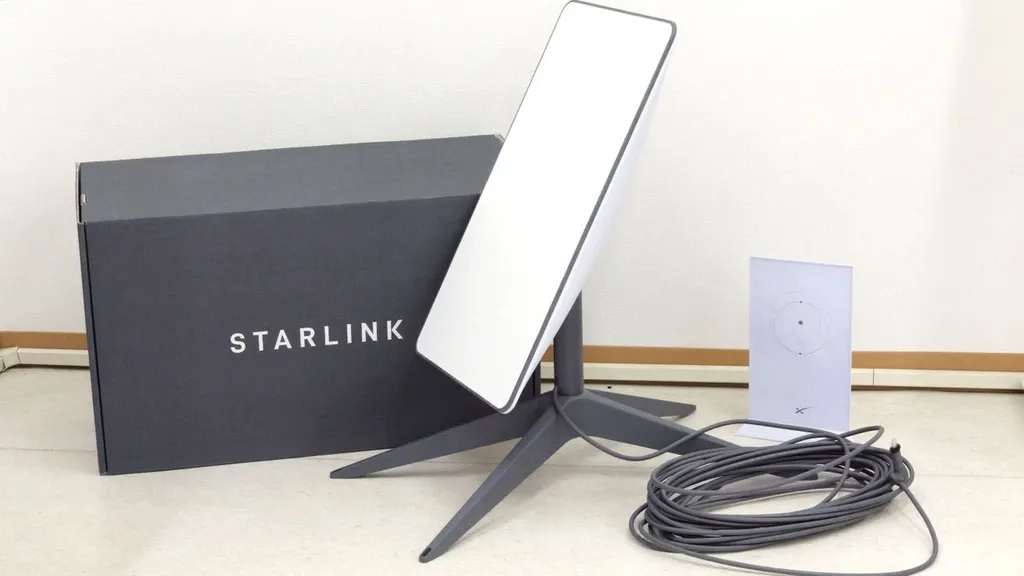 Starlink
SpaceX’s Starlink has now surpassed 9 million customers across 155 countries, adding its most recent one million users in just 47 days. That translates to roughly 21,000 new users per day, a growth rate about 49% faster than earlier periods.
Starlink’s web traffic more than doubled in 2025, and its new V3 satellites promise significantly faster, near-gigabit speeds.
Elon Musk has repeatedly noted that rebuilding internet infrastructure in space is no small task, but Starlink is increasingly positioning itself as a serious alternative to traditional internet providers
Tech Tips
Always Go For Specialised Software
If your computer work leans heavily toward creative tasks, specialised software will almost always deliver better results than general-purpose tools. Applications like Adobe Premiere Pro for video editing, DaVinci Resolve for colour grading, or Affinity Designer for graphic work are built for performance and provide advanced features that generic software simply cannot match.
Most professional software now offers free trials, giving users time to test features, workflows, and overall value. You may discover that DaVinci Resolve’s free version meets all your video needs, or that Figma’s collaboration tools fit perfectly into your design projects. The key is choosing the right tool for the job, rather than settling for what is merely available.
Reviews and Recommendations
Recommended Wearable:
The OnePlus Watch 3 stands out as one of the best wearables currently available. Its battery can last up to four and a half days, even with intensive GPS use, and it feels comfortable enough for everyday wear while still delivering solid fitness-tracking performance.
Google’s Pixel Watch 4 series, recently released in 41mm and 45mm sizes, also raises the bar. It introduces emergency satellite connectivity and deeper Gemini AI integration, making it the most capable Pixel Watch to date. With a peak brightness of 3,000 nits, it is about 10% brighter than previous models.
Conclusion
As 2026 approaches, technology is likely to see further changes in focus. The infrastructure that powers AI, including energy systems and specialised chips, may prove just as essential as the AI models themselves.
Foldable devices are steadily evolving into useful tools rather than novelty items, while satellite internet continues to expand access in places once considered unreachable.
The takeaway from 2025 is that technology is no longer just about the newest feature or the fastest chip. It is about how hardware, infrastructure, and real-world usefulness come together to improve everyday life.
The post Tech Recap 2025: Foldable Phones | AI Infrastructure Shifts | Starlink’s Rapid Growth appeared first on Techeconomy.