
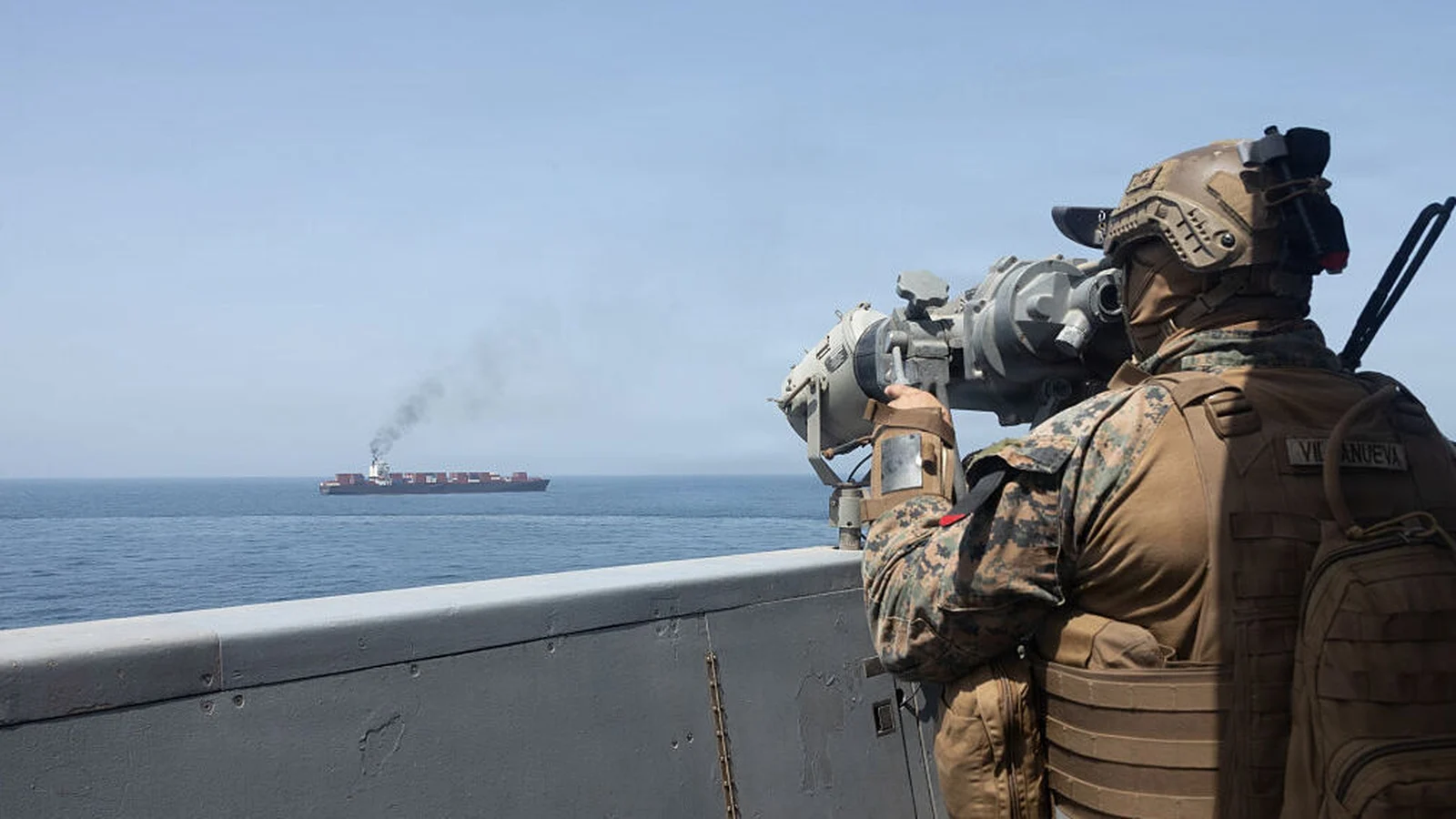
 A US warplane disabled two Iranian tankers on Friday as part of an ongoing port blockade, occurring just as diplomatic efforts to end the Gulf conflict reached a critical juncture.US Central Command confirmed that an F/A-18 Super Hornet utilized precision munitions against the vessels to prevent them from reaching Iran, while Iranian media reported "sporadic clashes" between US and Iranian forces in the strategic Strait of Hormuz.The escalation follows an overnight exchange of fire that has threatened the stability of the current ceasefire. US Secretary of State Marco Rubio, speaking from Rome, indicated that Washington is awaiting a formal response from Tehran regarding a proposal to extend the truce and facilitate a final settlement.Rubio emphasized that Iran must not control the Strait of Hormuz but added, Were expecting a response from them today at some point I hope its a serious offer, I really do.Iran's foreign ministry spokesman, Esmaeil Baqaei, stated that the proposal is "under review, and once a final decision is reached, it will certainly be announced."However, he also accused the United States of a blatant violation of international law and a breach of the ceasefire following the strikes.Meanwhile, regional dynamics have grown more complex as Saudi Arabia reportedly refused to allow the US military to use its airspace or bases for operations intended to force open the strait. One Saudi source noted the kingdom opposed the move because they "felt it would just escalate the situation and would not work."The conflict, which began ten weeks ago, has severely disrupted global shipping. The UN International Maritime Organization reports that approximately 1,500 ships and 20,000 crew members are currently trapped in the region.While US President Donald Trump initially announced "Project Freedom" to reopen the waterway, he shifted back to negotiations earlier this week.Despite the recent flare-up, Trump maintained on Thursday that the ceasefire remains in effect, stating, They trifled with us today. We blew them away.Global markets reacted sharply to the renewed hostilities, with oil prices fluctuating as investors weigh the possibility of a prolonged maritime blockade against the hopes of a mediated peace.The post US military jet strikes Iranian Tankers as peace talks face uncertainty appeared first on Linda Ikeji Blog.
 US military jet strikes Iranian Tankers as peace talks face uncertainty
.png) 2 hours ago
1
A US warplane disabled two Iranian tankers on Friday as part of an ongoing port blockade, occurring just as diplomatic efforts to end the Gulf conflict reached a critical juncture.US Central Command confirmed that an F/A-18 Super Hornet utilized precision munitions against the vessels to prevent them from reaching Iran, while Iranian media reported "sporadic clashes" between US and Iranian forces in the strategic Strait of Hormuz.The escalation follows an overnight exchange of fire that has threatened the stability of the current ceasefire. US Secretary of State Marco Rubio, speaking from Rome, indicated that Washington is awaiting a formal response from Tehran regarding a proposal to extend the truce and facilitate a final settlement.Rubio emphasized that Iran must not control the Strait of Hormuz but added, Were expecting a response from them today at some point I hope its a serious offer, I really do.Iran's foreign ministry spokesman, Esmaeil Baqaei, stated that the proposal is "under review, and once a final decision is reached, it will certainly be announced."However, he also accused the United States of a blatant violation of international law and a breach of the ceasefire following the strikes.Meanwhile, regional dynamics have grown more complex as Saudi Arabia reportedly refused to allow the US military to use its airspace or bases for operations intended to force open the strait. One Saudi source noted the kingdom opposed the move because they "felt it would just escalate the situation and would not work."The conflict, which began ten weeks ago, has severely disrupted global shipping. The UN International Maritime Organization reports that approximately 1,500 ships and 20,000 crew members are currently trapped in the region.While US President Donald Trump initially announced "Project Freedom" to reopen the waterway, he shifted back to negotiations earlier this week.Despite the recent flare-up, Trump maintained on Thursday that the ceasefire remains in effect, stating, They trifled with us today. We blew them away.Global markets reacted sharply to the renewed hostilities, with oil prices fluctuating as investors weigh the possibility of a prolonged maritime blockade against the hopes of a mediated peace.The post US military jet strikes Iranian Tankers as peace talks face uncertainty appeared first on Linda Ikeji Blog.
2 hours ago
1
A US warplane disabled two Iranian tankers on Friday as part of an ongoing port blockade, occurring just as diplomatic efforts to end the Gulf conflict reached a critical juncture.US Central Command confirmed that an F/A-18 Super Hornet utilized precision munitions against the vessels to prevent them from reaching Iran, while Iranian media reported "sporadic clashes" between US and Iranian forces in the strategic Strait of Hormuz.The escalation follows an overnight exchange of fire that has threatened the stability of the current ceasefire. US Secretary of State Marco Rubio, speaking from Rome, indicated that Washington is awaiting a formal response from Tehran regarding a proposal to extend the truce and facilitate a final settlement.Rubio emphasized that Iran must not control the Strait of Hormuz but added, Were expecting a response from them today at some point I hope its a serious offer, I really do.Iran's foreign ministry spokesman, Esmaeil Baqaei, stated that the proposal is "under review, and once a final decision is reached, it will certainly be announced."However, he also accused the United States of a blatant violation of international law and a breach of the ceasefire following the strikes.Meanwhile, regional dynamics have grown more complex as Saudi Arabia reportedly refused to allow the US military to use its airspace or bases for operations intended to force open the strait. One Saudi source noted the kingdom opposed the move because they "felt it would just escalate the situation and would not work."The conflict, which began ten weeks ago, has severely disrupted global shipping. The UN International Maritime Organization reports that approximately 1,500 ships and 20,000 crew members are currently trapped in the region.While US President Donald Trump initially announced "Project Freedom" to reopen the waterway, he shifted back to negotiations earlier this week.Despite the recent flare-up, Trump maintained on Thursday that the ceasefire remains in effect, stating, They trifled with us today. We blew them away.Global markets reacted sharply to the renewed hostilities, with oil prices fluctuating as investors weigh the possibility of a prolonged maritime blockade against the hopes of a mediated peace.The post US military jet strikes Iranian Tankers as peace talks face uncertainty appeared first on Linda Ikeji Blog. Related





Victor AD and Timaya unite for 'Only God'
2 hours ago
2