
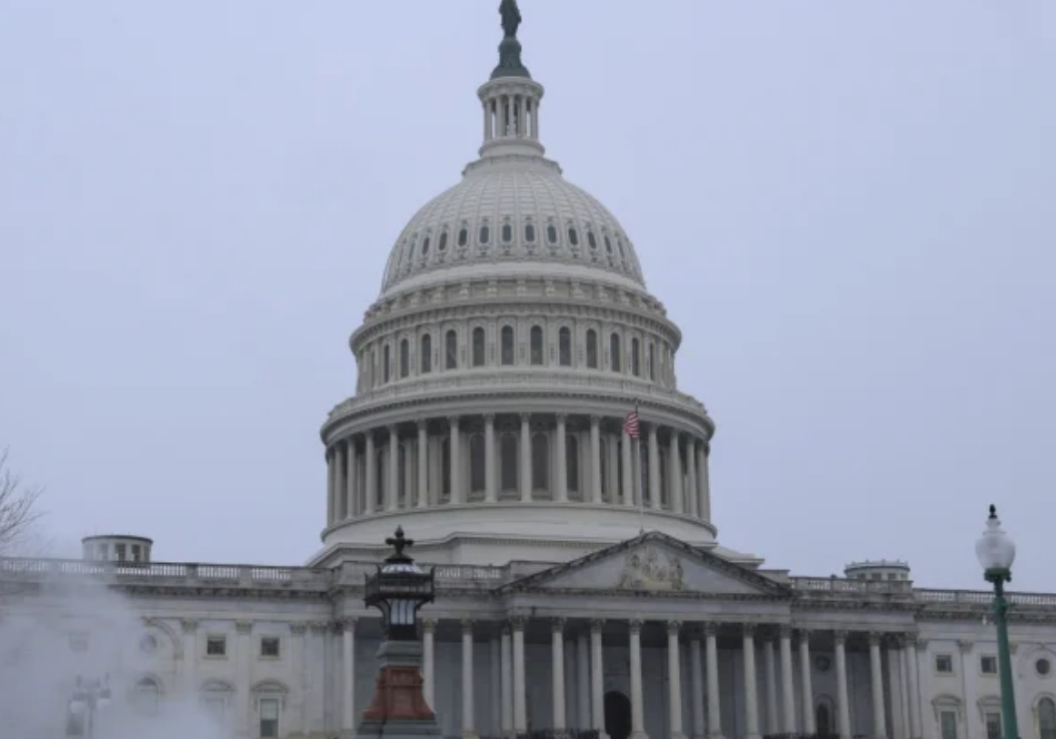
 In what marks the first vote on the conflict in the Middle East, US Senate Republicans voted down an effort to halt the US-Israeli war against Iran. The legislation that failed on a 47-53 vote tally is known as a war powers resolution, which would have limited US President Donald Trump's power to carry out further attacks without congressional approval. The decision comes after Defence Secretary Pete Hegseth announced on Wednesday that the war could be extended by eight weeks, longer than the administration's initial expected timeline. On Wednesday, Hegseth told reporters at the Pentagon that the United States has spared "no expense of capability" to enhance air defence systems to protect US forces and allies in the Middle East, while acknowledging that some Iranian attacks may still hit their targets. This does not mean we can stop everything, but we ensured that the maximum possible defence and maximum possible force protection was set up before we went on offence, he said. While Trump praised the US military for "doing very well on the war front," the absence of a clear exit plan has fuelled concern among many Americans, who were already wary of entering the conflict. Aerial attacks continued for a sixth day, with Iran launching missiles at Israel early on Thursday after a US submarine torpedoed an Iranian warship, which sunk in international waters off Sri Lanka's coast. Shortly after the Israeli military announced it began new strikes against Hezbollah in Beirut's suburbs in Lebanon, air sirens sounded across Tel Aviv and Jersusalem. The US and Israel launched a surprise attack on Iran on Saturday, with strikes further escalating on Wednesday. Meanwhile, Iran has continued launching strikes across the Gulf states, with reported strikes on Kuwait and Bahrain, as neighbouring states brace for further escalation after Tehran threatened the complete destruction of the regions military and economic infrastructure". According to authorities, more than 1,000 people were reportedly killed in Iran, over 70 in Lebanon and around a dozen in Israel since the start of the war on Saturday. The escalating conflict has also disrupted the supply of world's oil and gas, as well as international shipping, resulted in airspace closures and flight cancellations and caused widespread travel disruption across the Middle East. The post US Senate blocks legislation to limit Trump's powers in Iran war appeared first on Linda Ikeji Blog.
 US Senate blocks legislation to limit Trump's powers in Iran war
.png) 2 hours ago
1
In what marks the first vote on the conflict in the Middle East, US Senate Republicans voted down an effort to halt the US-Israeli war against Iran. The legislation that failed on a 47-53 vote tally is known as a war powers resolution, which would have limited US President Donald Trump's power to carry out further attacks without congressional approval. The decision comes after Defence Secretary Pete Hegseth announced on Wednesday that the war could be extended by eight weeks, longer than the administration's initial expected timeline. On Wednesday, Hegseth told reporters at the Pentagon that the United States has spared "no expense of capability" to enhance air defence systems to protect US forces and allies in the Middle East, while acknowledging that some Iranian attacks may still hit their targets. This does not mean we can stop everything, but we ensured that the maximum possible defence and maximum possible force protection was set up before we went on offence, he said. While Trump praised the US military for "doing very well on the war front," the absence of a clear exit plan has fuelled concern among many Americans, who were already wary of entering the conflict. Aerial attacks continued for a sixth day, with Iran launching missiles at Israel early on Thursday after a US submarine torpedoed an Iranian warship, which sunk in international waters off Sri Lanka's coast. Shortly after the Israeli military announced it began new strikes against Hezbollah in Beirut's suburbs in Lebanon, air sirens sounded across Tel Aviv and Jersusalem. The US and Israel launched a surprise attack on Iran on Saturday, with strikes further escalating on Wednesday. Meanwhile, Iran has continued launching strikes across the Gulf states, with reported strikes on Kuwait and Bahrain, as neighbouring states brace for further escalation after Tehran threatened the complete destruction of the regions military and economic infrastructure". According to authorities, more than 1,000 people were reportedly killed in Iran, over 70 in Lebanon and around a dozen in Israel since the start of the war on Saturday. The escalating conflict has also disrupted the supply of world's oil and gas, as well as international shipping, resulted in airspace closures and flight cancellations and caused widespread travel disruption across the Middle East. The post US Senate blocks legislation to limit Trump's powers in Iran war appeared first on Linda Ikeji Blog.
2 hours ago
1
In what marks the first vote on the conflict in the Middle East, US Senate Republicans voted down an effort to halt the US-Israeli war against Iran. The legislation that failed on a 47-53 vote tally is known as a war powers resolution, which would have limited US President Donald Trump's power to carry out further attacks without congressional approval. The decision comes after Defence Secretary Pete Hegseth announced on Wednesday that the war could be extended by eight weeks, longer than the administration's initial expected timeline. On Wednesday, Hegseth told reporters at the Pentagon that the United States has spared "no expense of capability" to enhance air defence systems to protect US forces and allies in the Middle East, while acknowledging that some Iranian attacks may still hit their targets. This does not mean we can stop everything, but we ensured that the maximum possible defence and maximum possible force protection was set up before we went on offence, he said. While Trump praised the US military for "doing very well on the war front," the absence of a clear exit plan has fuelled concern among many Americans, who were already wary of entering the conflict. Aerial attacks continued for a sixth day, with Iran launching missiles at Israel early on Thursday after a US submarine torpedoed an Iranian warship, which sunk in international waters off Sri Lanka's coast. Shortly after the Israeli military announced it began new strikes against Hezbollah in Beirut's suburbs in Lebanon, air sirens sounded across Tel Aviv and Jersusalem. The US and Israel launched a surprise attack on Iran on Saturday, with strikes further escalating on Wednesday. Meanwhile, Iran has continued launching strikes across the Gulf states, with reported strikes on Kuwait and Bahrain, as neighbouring states brace for further escalation after Tehran threatened the complete destruction of the regions military and economic infrastructure". According to authorities, more than 1,000 people were reportedly killed in Iran, over 70 in Lebanon and around a dozen in Israel since the start of the war on Saturday. The escalating conflict has also disrupted the supply of world's oil and gas, as well as international shipping, resulted in airspace closures and flight cancellations and caused widespread travel disruption across the Middle East. The post US Senate blocks legislation to limit Trump's powers in Iran war appeared first on Linda Ikeji Blog. Related

Who are the Premier League best player nominees for February...
30 minutes ago
0

Deeper Than Love Lyrics by Braye
48 minutes ago
0

Kidnappers shoot Ondo farmer, abduct his wife
53 minutes ago
0


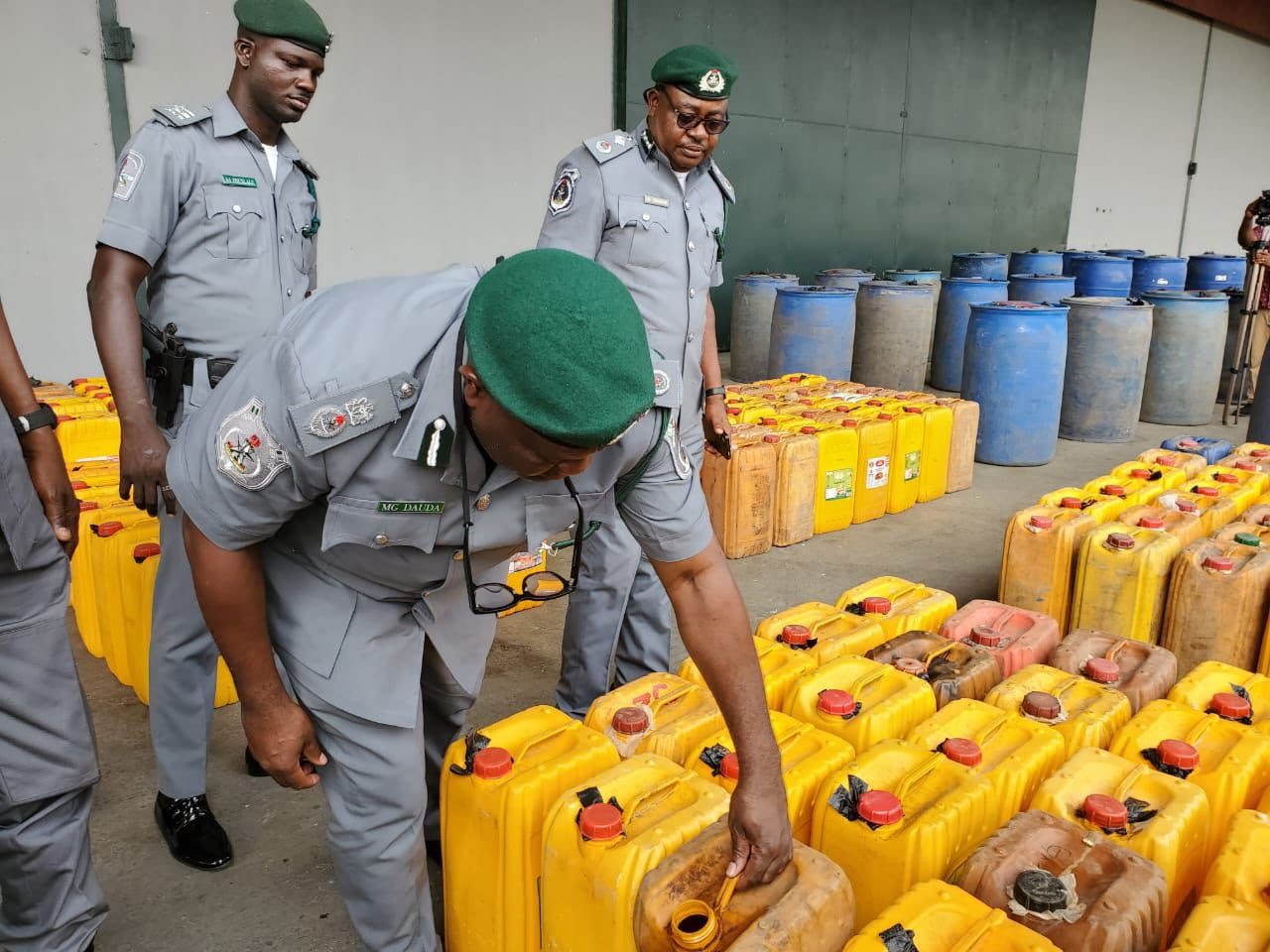
Customs seizes N14.4 million worth of smuggled petrol
2 hours ago
0

Polanco Lyrics by Hotkeed Feat. Lyta
2 hours ago
1