
 2 hours ago
1
2 hours ago
1
Some people have an uncanny ability to complicate their own lives. Offer them the safe road, and they will somehow find the rougher one. Give them certainty, and they will start wondering what is on the other side of uncertainty. They do not do it because they enjoy suffering, but have a strong conviction that difficult things are worth doing.
Alaa Salih Hamadto, the founder and CEO of SolarFoods, a Sudanese agritech startup that preserves agricultural produce using solar-powered drying technology, appears to be one of those people.
Last Thursday, we met over Google Meet. She is currently based in Cairo, Egypt’s capital, where she has been living since Sudan’s civil war forced her to flee with her daughters.
She tells me about driving back into Sudan while drones flew overhead. About travelling for 36 hours without food or water because the roads were too dangerous to stop. About arriving at her factory only to find that almost everything worth stealing had been stolen. She says all this with remarkable calm.
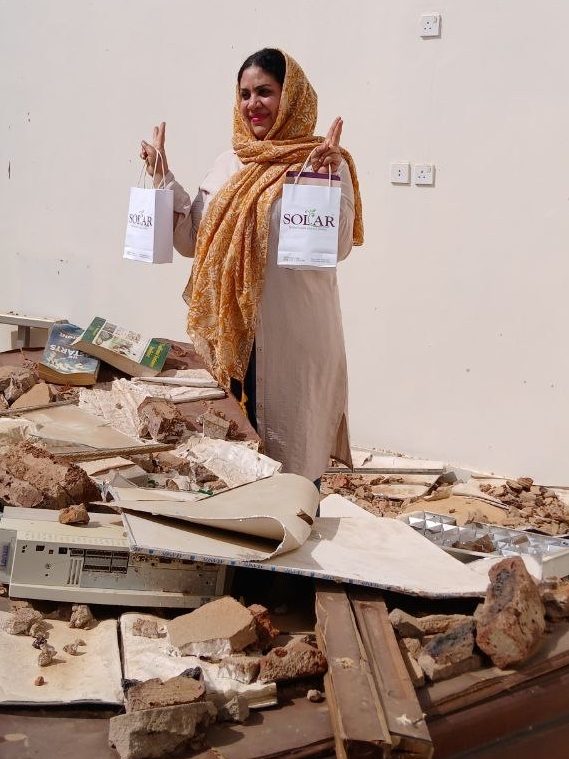 Alaa Hamadto surrounded by debris of her destroyed factory at Khartoum. Image source: Alaa Hamadto
It occurs to me that Hamadto has spent much of her adult life walking away from comfortable things.
She left dentistry in 2014, a profession many spend years trying to enter, to build a business around solar-powered food dryers. She ignored relatives who thought she had wasted her education. When war came, she escaped like millions of other Sudanese. Five months later, she went back—not because it was safe, but because she could not imagine asking other people to rebuild a country she had abandoned herself.
Over the next hour, we talk about inherited purpose, building a company in the middle of a civil war, why farmers have become her greatest teachers, and why she still believes Sudan’s future is worth betting her life on.
This interview has been edited for length and clarity.
You said they call you “Alaa the Brave.” Where did the title come from?
When the war in Sudan started in April 2023, I initially fled to Cairo with my daughters. But after five months, I decided to stop running and return to Sudan, even though the war was still raging. Most business owners who left felt the same way; they were already in a safe place and wouldn’t return for any reason. But I decided to go back and reestablish. It was shocking to them.
I think I was the first person to enter the industrial area in Khartoum North after the conflict intensified. That area had become a heavy conflict zone. When I entered, I started making videos and documenting what was happening to all the factories and businesses there. I felt a responsibility to bear witness.
There was this group I was in with some factory owners, and they made comments like, “Do you feel like you’re more masculine than us?” It was strange and hurtful, especially when I was risking everything. During one of my trips, drones were flying over my head as I was running from one city to another. For 36 hours straight, I couldn’t go to the bathroom or drink water because the cities I was passing through were being hit.
People found it strange that I refused to leave. They asked, “Does it really worth it? Why are you risking your life because of money?” But it was never about money. I kept documenting my journey, how they destroyed my factory and other people’s businesses. Eventually, people started saying, “You inspire us—you are Alaa the Brave.” And that name stuck.
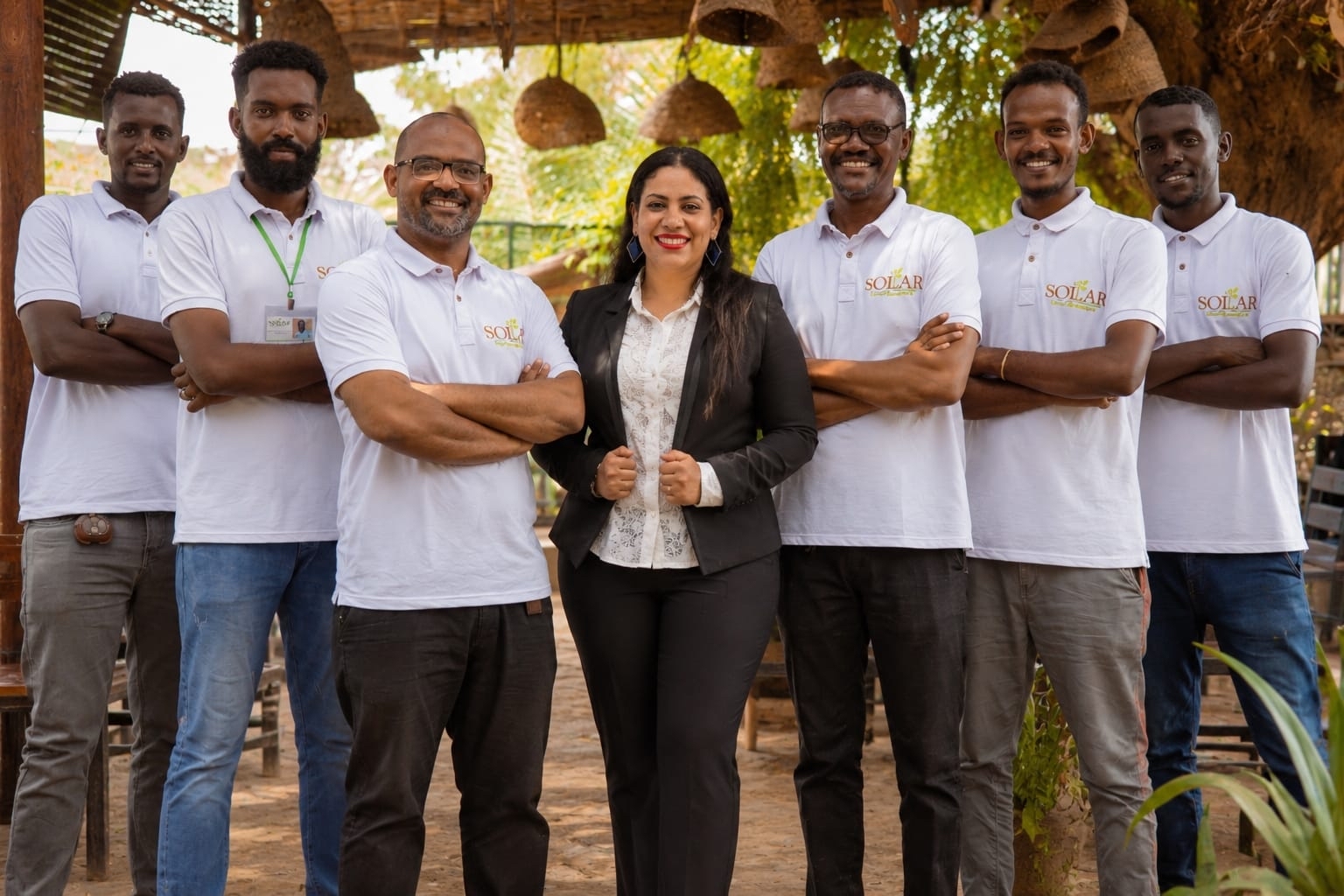 Alaa Hamadto with her Solar Foods team. Image source: Alaa Hamadto
You said your factory was destroyed. What really happened?
Yes, the factory was destroyed. I don’t know if it was bombed, but the roof and a large part of it were destroyed. They stole all the machinery, everything they could find inside. They even took all the electric cables and the transformer. Now, it’s very difficult to have electricity again. And it’s not just my factory alone; the majority of factories in that part of Khartoum were affected.
To rebuild, you need to find another source of energy, either diesel or solar. I decided to reestablish the factory in another part of the country that is relatively safe. We are now in Kassala, close to the border with Eritrea in eastern Sudan. We built the factory there on rented land.
Now that people are returning to the country as things look slightly better, I’m not sure what to do next. We still don’t know whether we will go back to Khartoum or stay.
I chose Kassala for multiple reasons. First, it’s relatively safe for my staff, and the living costs aren’t too high. We did a quick mapping and realised we needed to be in a place where we could easily target the organizations that need our dryers. We do training for Non-Governmental Organisations (NGOs) that buy our dryers, and we have agro-processing hubs. Also, it’s close to the border, so I can easily travel out, and it’s quite close to the raw materials we use for our products.
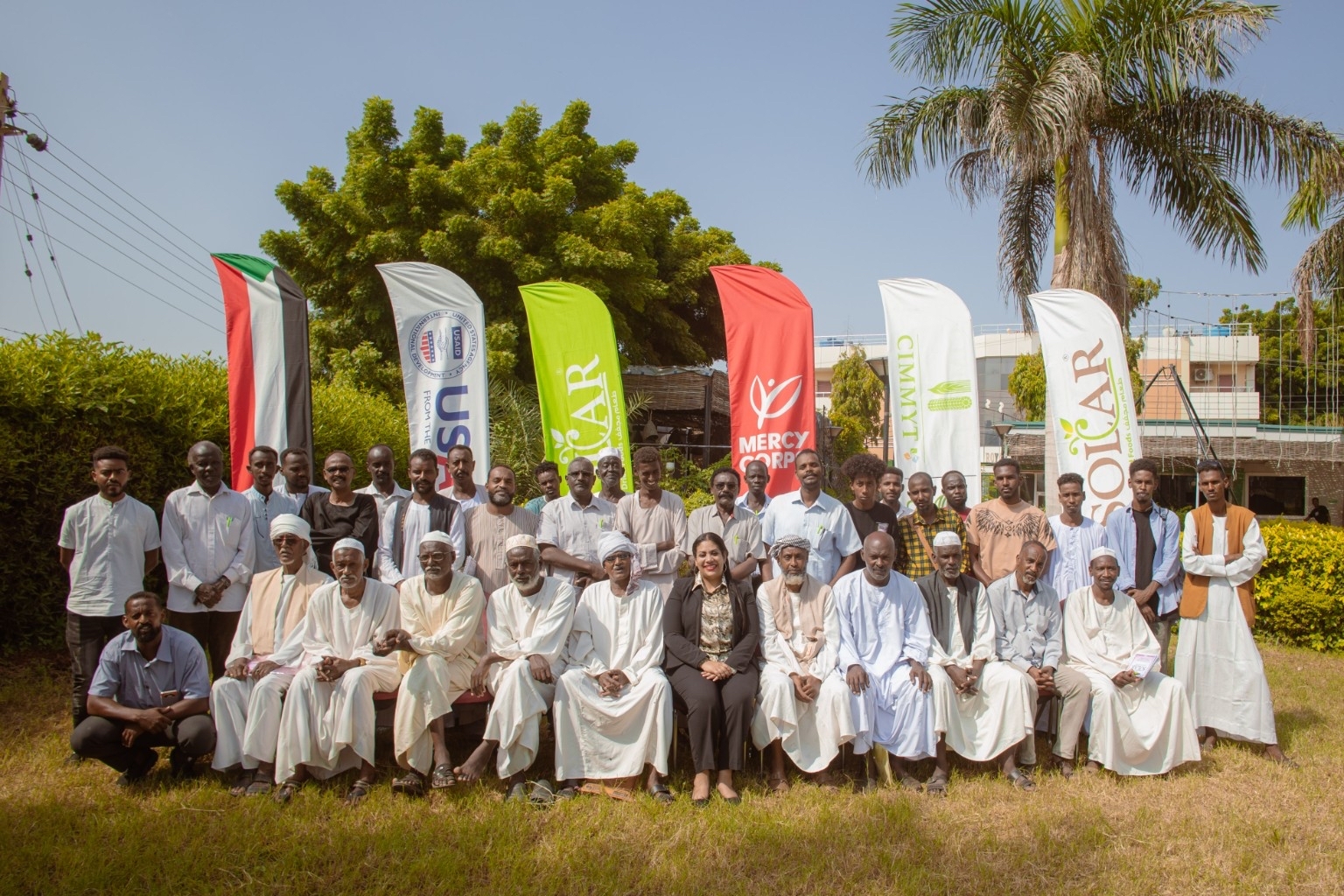 Alaa Hamadto and her team members. Image source: Alaa Hamadto
Talking about where this all started, you saw your father building something like this in the past. As a little girl then, what did you think he was doing?
I started out as a dentist. I made this career shift to keep his legacy; at least, that was what I thought. Now, it’s my life mission. Growing up, I didn’t really understand what he was doing. I just admired that he could do all this work, and people admired him and his students. Initially, we thought we could live in the UK and have another nationality, and life would be easier. But I really admire that he believed in his own people.
My father was a senior scientist in the UK. He had it all—a prestigious job, status, respect. But in the 1980s, he made a decision that would define the rest of his life. He said, “You go outside, you educate yourself, you get exposed to different technologies, but you have to come back to your country and help your own people.” He lived by that philosophy until his dying day.
When he came back to Sudan, it was very difficult. The Islamic regime decided to frustrate him because he refused to be part of them. To survive, he became a blacksmith. He used 10% of his earnings and some of his tools to support research in the solar energy field. He supported technicians, university students, and master’s degree students. He would say, “This is your job. You need to spread your knowledge to educate people. You need to help them go outside to get exposed. And then they need to return to help others.”
After 30 years of doing this, he was depressed because most of his students took the easy solution—they didn’t come back because of the government. At that time, I was just a dentist. But he had those dryers—the solar technology he’d developed over decades. I thought, why not adopt the technology and go into the food industry? My father wasn’t building for the food industry; he was into the thermal and electrical side of solar energy. This was my endeavor. I wanted to prove that those dryers could work on a commercial scale.
He was really disappointed that despite his help, it felt like he hadn’t achieved anything. This is why I came back from Egypt. I felt the necessity of going back and helping my people. I inherited this from him—learning how to believe in people, how to use local wisdom to improve the country using technology.
I remember when he was dying, I was near him. I told him, “Dad, you did great in this life. You took good care of your parents, you took good care of us, and you took good care of your country.” And he said, “I did good to my country?” He couldn’t even believe it. I said yes. This man was dying, and having the affirmation that he impacted his country was the most important thing to him.
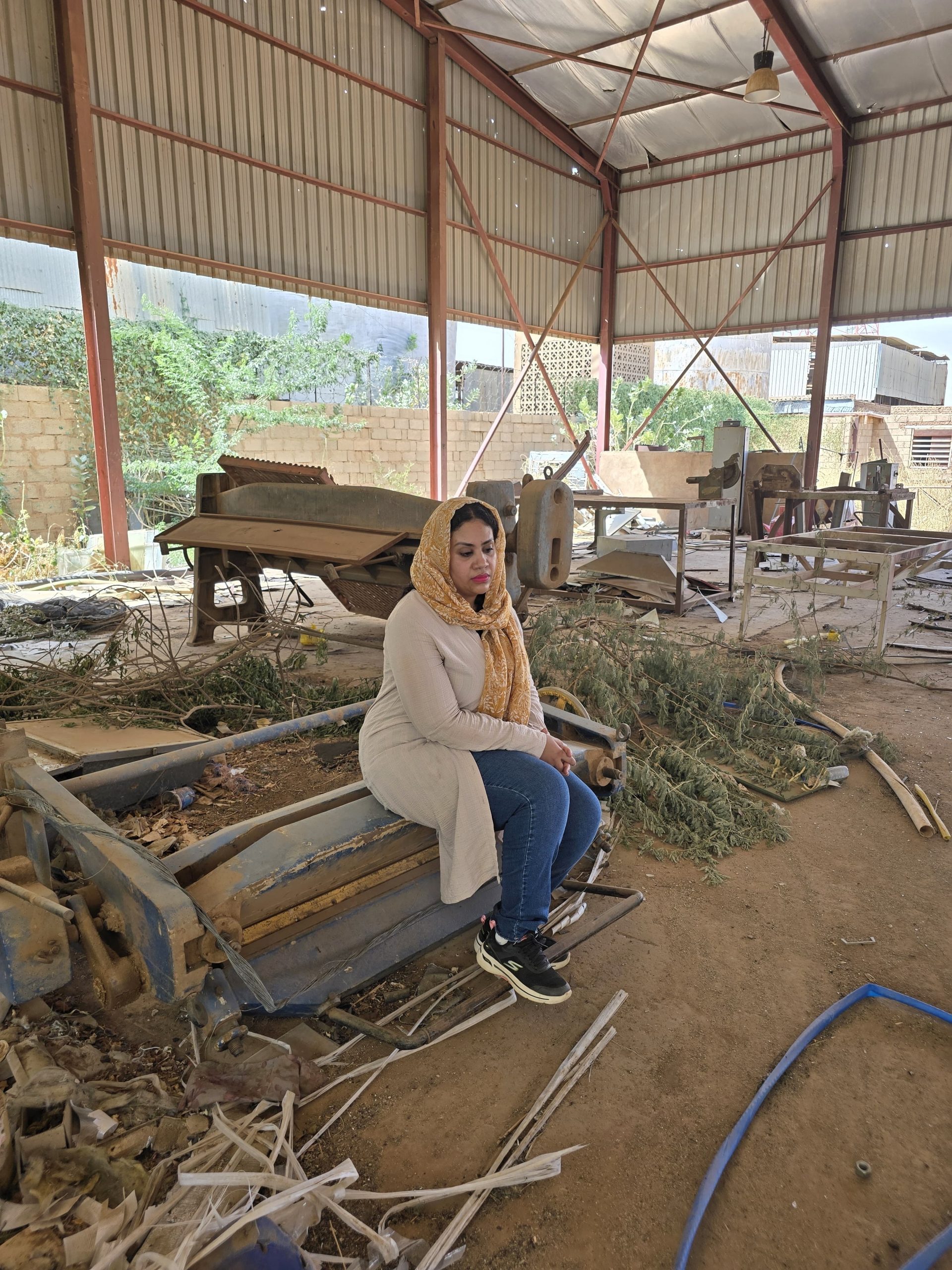 Alaa Hamadto at her factory at Khartoum. Image source: Alaa Hamadto
Growing up in Sudan, did you want to become a dentist, or how did you end up becoming one?
I wanted to be a genetic engineer, but in Sudan, it’s either you want to be a doctor or an engineer. I think I became a dentist for the title. But growing up, I loved business—it was embedded in me. At the same time, I love helping people. At that time, I didn’t know I could establish a social enterprise—doing this for profit while impacting people. During my teenage years, I had the big dream of running an empire and building something big that would make money and impact people. Being a social entrepreneur satisfies both sides of who I am.
So, when did you decide that you were done with the lab coat?
It was one of those difficult decisions because I didn’t want to have one leg in dentistry and the other in business. When I quit, I had planned to go into maxillofacial surgery. By then, I was already a dentist for five years, so ten years total. But instead of going for the specialty, I joined my father in the business for three years (2014-2017), doing Research and Development (R&D).
When I joined, he never wanted me there. He told me, “Lady, I’m not going to spoon-feed you.” He’d say, “You have a profession. Just go and be a dentist. Don’t do this.” But I insisted.
My father wasn’t in the food industry, so I had to start R&D on how to use those facilities for vegetables and fruits—which temperatures work best, which drying times are optimal. I was funding this from my own money. I had to sell my gold while doing this. I decided—no more being a dentist.
My grandmother and others said, “You are a doctor—are you going to sell vegetables now?” It was a kind of shame. I said yes, and in five years, I’ve sold them on Amazon. They looked at me like I was the crazy one.
Many founders begin with a blank canvas. You began with a legacy. How do you carry forward your father’s life’s work while still allowing yourself the freedom to redefine it?
My father’s field is different from what I do now. I redefined it and took it to the food industry. I love innovation and what local wisdom can offer—how we’re recreating something our grandmothers did, but in a modern way. We took care of packaging, accessing new markets, and expanding our product line. We created ready-mixes.
For me, it was the excitement of starting a project, developing a recipe, putting it on the shelf, while I’m helping thousands of farmers with solar-powered innovation. We’re now replicating our model for other women’s cooperatives.
This industry is very much neglected. Forty to sixty percent of our produce rots every harvest season because there’s no technology to help farmers preserve it. I believe that in ten to fifteen years, Sudan will become the hub of dry food products in Africa.
Most people run away from conflict. You chose to build in one. Why?
I can function well in danger. I think I have a talent for functioning during a crisis. During COVID, we were helping our colleagues in the medical sector. I was able to raise funds, and under our charity organisation, we established the second-largest isolation center in the country. In crisis, people find themselves confused, paralysed by fear. But I could organise people and divide tasks. I don’t know why, but I feel so alive during a crisis. Maybe it’s because I’m able to help people and provide solutions.
Can you remember a time when you genuinely didn’t know if the company would survive?
Apart from when the factory was destroyed, I think every day I don’t know if the business will survive. Our currency continues to lose its value. Doing business in Sudan is crazy because of operational costs, inflation, and double taxation.
So every day, I’m stressed month by month, worrying about where to secure the next salary for my staff. The situation makes you opportunistic—”Okay, this organisation wants our dryers—we’ll sell them.” I’m not focused on strategy because we’re in survival mode.
Given everything, have you thought of quitting?
I’m not a quitter. I’m not going to quit on my people or my country. I’m going to spend all my life doing what I’m doing. Maybe it’s not wise, but this is my mission.
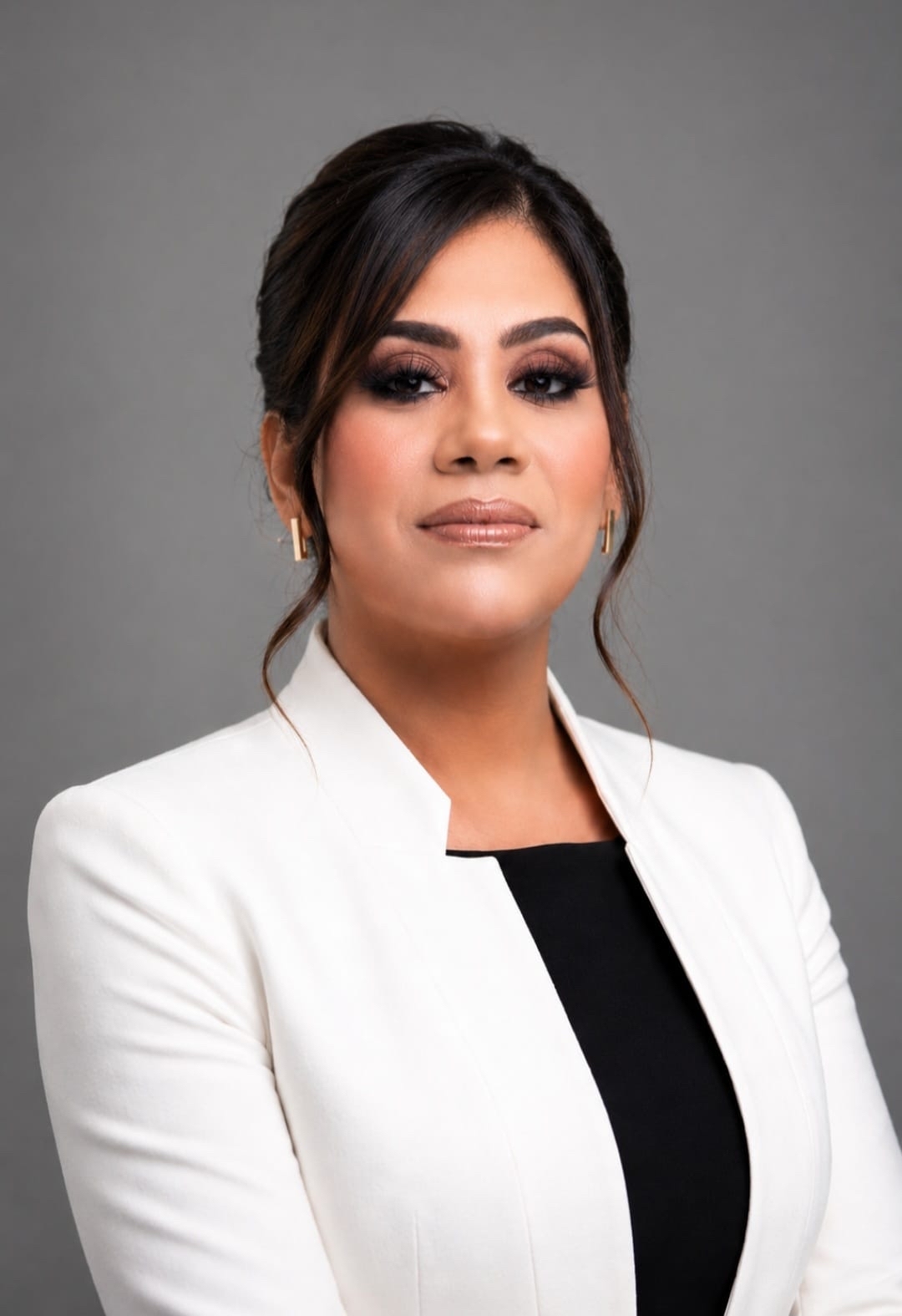 Portrait of Alaa Hamadto. Image source: Alaa Hamadto
How hard is it to be a female founder in Sudan?
In Sudan, not only are you not moving forward, you’re going backward. This is why I’m between Sudan and Egypt, because I don’t want to lose sight of technology growth from other parts of the world.
And being a woman founder is the worst. When I was trying to rent land for the factory, the landlord wouldn’t rent to me because I’m a woman. One of my male team members had to do the contract. Some people believe that as a woman, you don’t deserve to do certain things. They’ll underestimate you and the industry you’re working in.
The social norms—how you’re a female leading men, especially now that we’re outside the capital—it’s very challenging. Even with the bank sector, they don’t take you seriously. They’ll say there should be a limit if you’re going to have loans. It’s frustrating.
In all these struggles, what keeps you going?
I believe that Sudan will become a better place one day, and that change has to begin with me. Nobody is going to do it for us—not the NGOs, not the government—but us.
I might be too old to enjoy the benefit of what I’m doing, but for my daughters and their kids—for the next generation—I have to continue. Whenever I go to bed and look at everything I’m doing, it satisfies me.
When I’m not doing all this, I try to spend quality time with my daughters. Doing adventurous stuff. I love the adrenaline rush. Also, I love meeting new people and learning about different cultures.
How does your family feel about seeing you go into Sudan?
My daughters and my mom at the beginning were really worried. My mom sees me as a reckless person. But now they’ve gotten used to it.
For my daughters, I tell them—we’re in this together. I tell them I’m going there not to prove myself, but for the people. I tell them stories of the female farmers and how they’re braver than me. I tell them we’re on one team, and someday we will have a better Sudan.
What has this journey demanded from you personally?
My time away from my daughters—there’s always this mother guilt, and I feel it in my body. It has consumed a lot of my time and energy.
Sometimes I’m scared, thinking, “What if I end up making no difference?” But I keep telling myself—there are no regrets. You regret the things you didn’t do, not the things you tried to do.
What have farmers taught you that business schools never could?
Sometimes you feel so smart, and then you find them even smarter. There’s local wisdom in every practice they do—there’s science and knowledge in it. And how they have this resilience—nothing can break their spirit. I only go to Sudan for a few months, but they’re always there, struggling without complaining. Also, they’re always satisfied with what they have. That’s amazing.
You left a stable profession to build something uncertain. Looking back, was it worth it?
Completely. No regrets. This was the best decision ever.
I can imagine the scenario: if I hadn’t gone in this direction, I would still be a dentist, living that privileged life. I feel like I’m making more of an impact here. I love what I’m doing, even though it’s challenging. I feel like I have a rich life. I’ve experienced life. I’ve met people and seen a lot of things. I’m learning every day—from the farmers, the kids, the elderly. I have a rich life that isn’t centered around materialistic things.
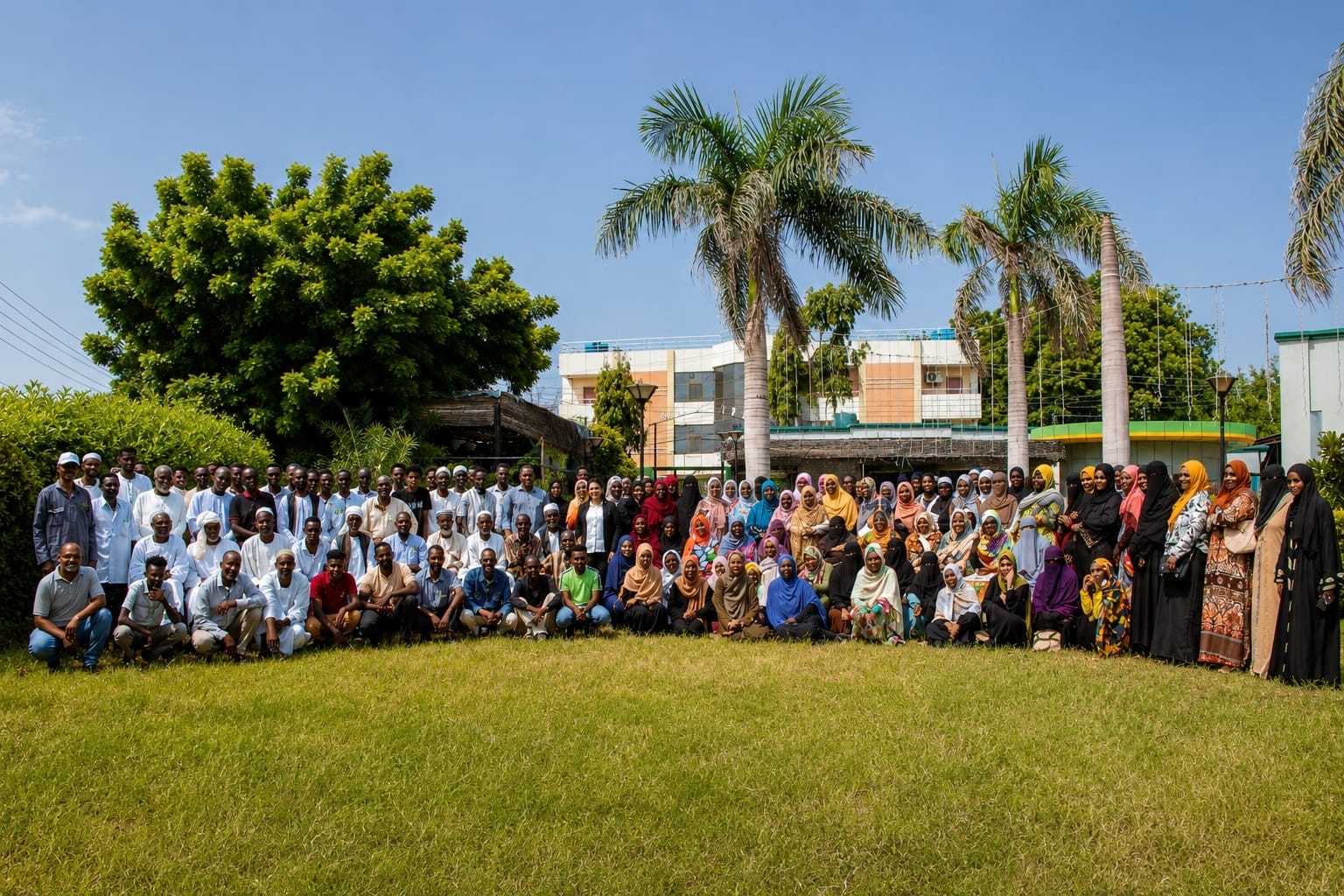 Alaa Hamadto and her team members. Image source: Alaa Hamadto
What has building and living in a time of war taught you?
Hope—it’s what will always keep you alive. Hope for a better tomorrow.
Before my daughters and I fled to Cairo, there was a bomb blast, and we didn’t know what to do. The airport was destroyed. It was chaotic. But I heard this song by an African boy singing, “Thank you for sunshine, thank you for rain.” I became alive, thanking God that during a war, my daughter and I lived to see another day. In Cairo, I could see things in colors—the green trees, the peaceful air. I was thankful.
We all did what the book said: go to school, get a good career, save money, invest. But in one minute, we lost everything. People lost loved ones, money, factories, and entire families. What’s the point of planning if you don’t live in the moment? Enjoying the laughter of the kids. This is what war has taught me—just be present and keep hope alive.
Where do you see Solar-Foods in the next few years?
In the next few years, I believe we will be an ecosystem enabler—as we’ve replicated this business model in other countries. I will have different production lines, and my products will be sold on shelves in more countries. I hope we become a tycoon in the food industry.
As for Sudan, I think this war is a blessing in disguise. For thirty years, Sudan was isolated because of the regime. We didn’t know how other countries were developing. Now, many people have left for Cairo, Rwanda, Uganda, and other African countries. They’re seeing development and trying new things. They’re more exposed. I hope they take the lessons of how other people are building their countries and apply them in Sudan. This next generation has better internet, and they’re seeing how Rwandans are building Rwanda. I hope they take that and use it to rebuild Sudan.
True scale demands moving beyond surface-level integrations to robust execution. We’ve filtered the noise out of Moonshot 2026, optimising the conference strictly for high-calibre connections between startup founders, global financial operators, enterprise leaders and individuals rewiring Africa’s technical frameworks.
Get 20% off Early Bird tickets for a limited time.









 English (US) ·