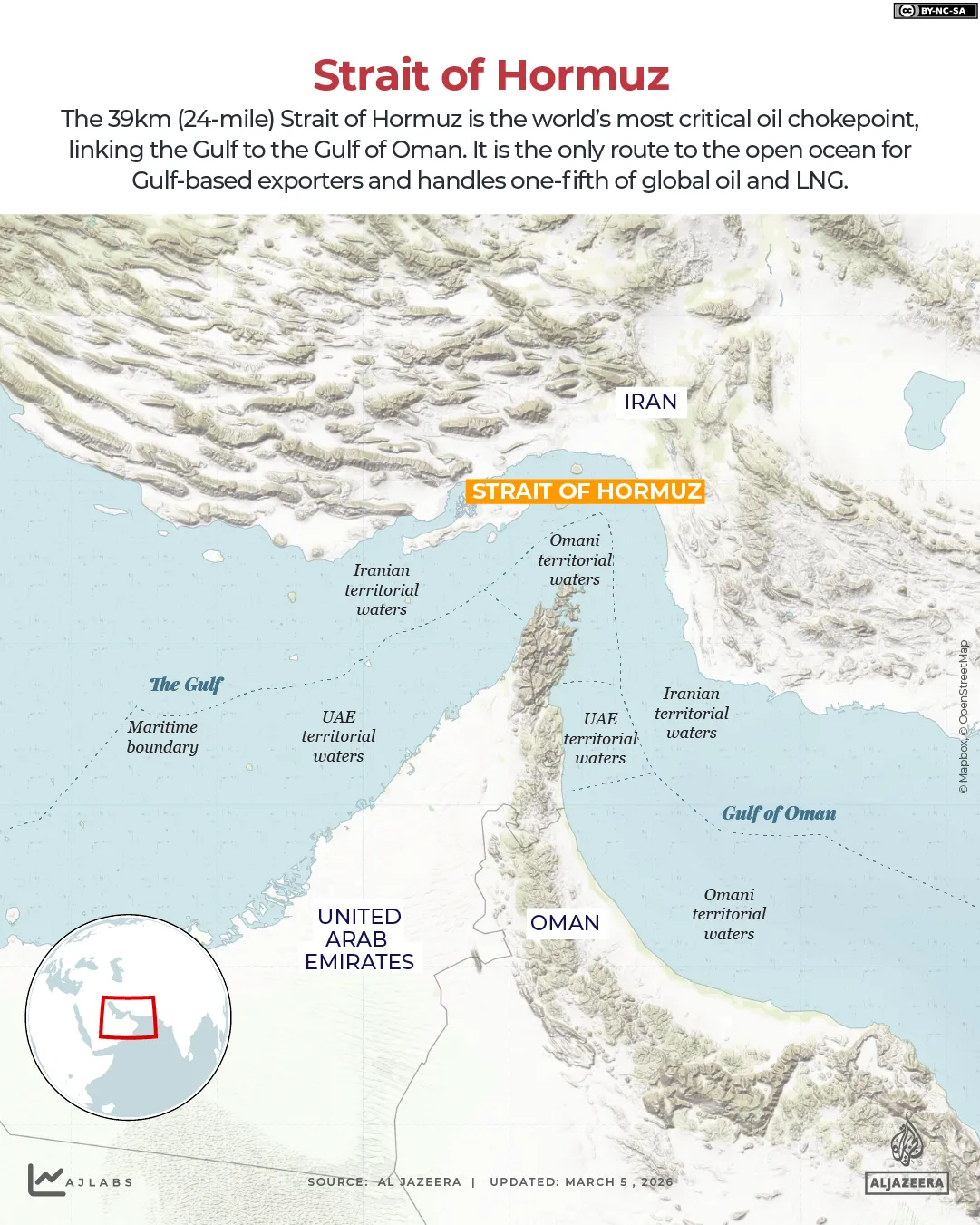
President of the European Council, Antnio Costa, says Russia appears to be the main beneficiary of the ongoing conflict between the United States, Israel and Iran, as rising energy prices and shifting global attention play to Moscows advantage. Speaking to European Union ambassadors in Brussels, Costa said the war now in its 11th day has pushed global oil and gas prices higher while diverting international focus away from Russias ongoing war with Ukraine. So far, there is only one winner in this war Russia, Costa said. The conflict has escalated across the region, with Iranian forces launching missile and drone attacks against U.S. and Israeli targets as well as energy facilities in Gulf countries. The fighting has also disrupted energy flows through the strategic Strait of Hormuz, slowing shipments of oil and natural gas and driving fuel prices upward worldwide. Costa said the surge in energy prices could provide Moscow with additional revenue to finance its war in Ukraine, while military resources that might have supported Kyiv are now being redirected to the Middle East.
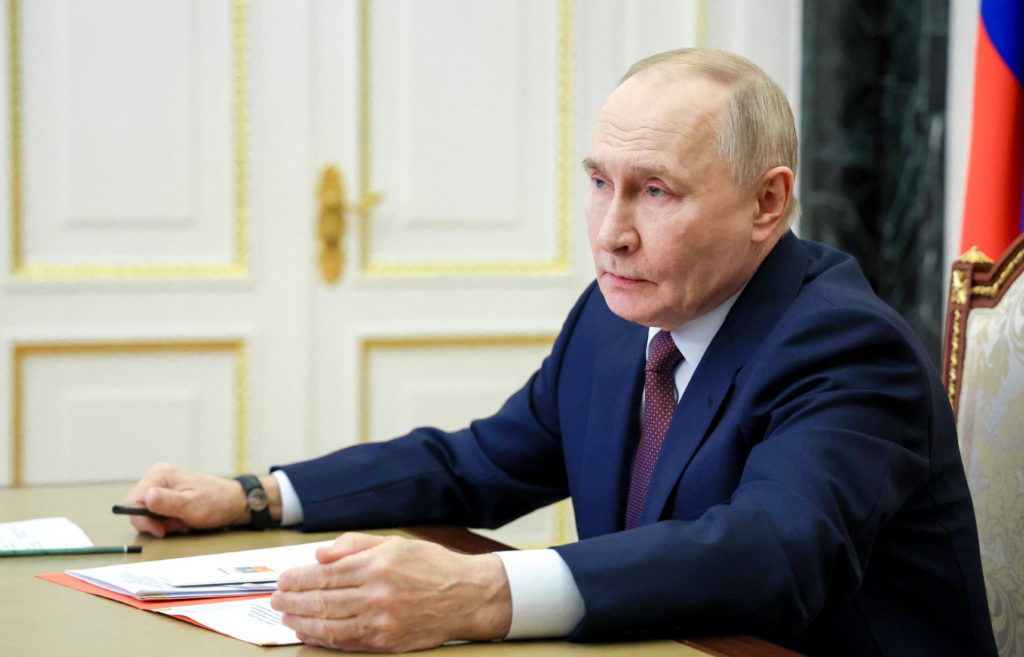
It gains new resources to finance its war against Ukraine as energy prices rise, Costa said. It also benefits from the diversion of military capabilities that could otherwise have supported Ukraine and from reduced attention on the Ukrainian front as the Middle East conflict takes centre stage. He also urged all parties involved in the Middle East crisis to return to negotiations, warning that continued escalation could destabilise the region and beyond. Freedom and human rights cannot be achieved through bombs. Only international law can uphold them, Costa said. We must avoid further escalation, as such a path threatens the Middle East, Europe and the wider world. The U.S.-Israeli strikes on Iran triggered the sharpest jump in global oil prices since the market turmoil that followed Russias invasion of Ukraine in 2022. Costas remarks came as the Kremlin confirmed that all sides remain open to continuing U.S.-mediated peace talks between Russia and Ukraine, although no date or venue has yet been set for the next round of negotiations. Last year, Russia and Ukraine held several rounds of talks in Trkiye, and additional U.S.-mediated discussions have taken place this year in Abu Dhabi and Geneva. However, the two sides remain far apart on key issues, including Moscows demand that Ukraine cede control of the entire eastern Donetsk region. On Monday, U.S. President Donald Trump and Russian President Vladimir Putin held their first phone call of the year, during which they discussed both the war in Iran and the ongoing conflict in Ukraine. The Kremlin said the possibility of lifting U.S. sanctions on Russian oil had not been discussed in detail, but noted that Washingtons actions were aimed at stabilising global energy markets. Before the Ukraine war began, Europe depended heavily on Russian gas, with more than 40 percent of its supply coming from Russia. By 2025, that figure had dropped to about 13 percent as European countries sought alternative energy sources. Trump also said his administration was considering easing some sanctions on oil-producing nations in an effort to stabilise global fuel prices, although he did not specify which countries could benefit. The United States currently maintains sanctions on the oil sectors of Russia, Iran and Venezuela, while U.S. Treasury Secretary Scott Bessent recently announced a 30-day waiver allowing limited Russian oil sales to India to help offset disruptions in Middle East supply. The post
Russia the only winner of US-Israel war on Iran: European Union Council president appeared first on
Linda Ikeji Blog.

.png) 3 hours ago
2
3 hours ago
2