
 15 hours ago
2
15 hours ago
2

Wazzup.
Splendid start to the week if it so applies to you. Last week, we had the Road to Moonshot Nairobi event, and if you weren’t there, never fear, Moonshot 2026 is where you should be. And you don’t want to miss that.
—Zia
Get smarter about Francophone Africa with our newsletter, Francophone Weekly—the startups, tech policies, and institutions building the pipelines for ecosystem growth.

Internet
South Africa’s Starlink dispute just stopped being about satellites
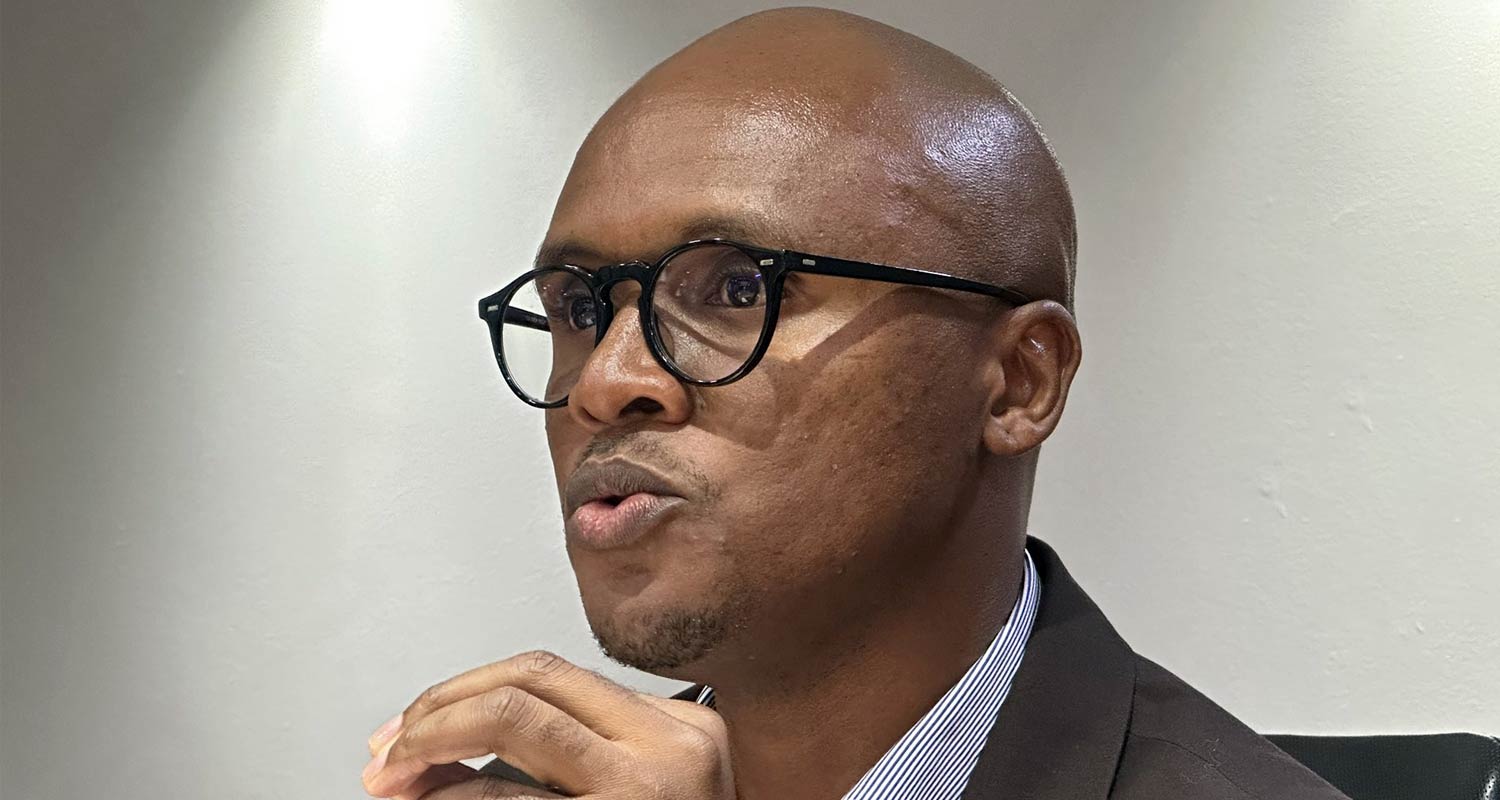 Solly Malatsi, South Africa Minister of Communications and Digital Technologies. Image Source: TechCentral.
What started as a question about whether Starlink, the Elon Musk-owned satellite Internet company, could get a licence in South Africa has become something messier: a political fight inside the Government of National Unity (GNU) about who ministers are meeting, who’s lobbying them, and whether the line between public policy and private interest is being properly observed.
What’s the backstory? To get a telecoms licence in South Africa, foreign companies must generally meet Black Economic Empowerment (BEE) rules requiring 30% local ownership by historically disadvantaged groups. Starlink has never applied for a licence because it doesn’t meet that requirement.
Communications Minister Solly Malatsi has long wanted to introduce another option: Equity Equivalent Investment Programmes (EEIPs), which would allow foreign companies to earn BEE credits by investing in areas such as broadband infrastructure, skills development, or local enterprises rather than selling equity.
So, what’s the row about? Parliament’s communications committee chair, Khusela Diko, has demanded answers after allegations that Resolve Communications, the public affairs firm advising Starlink in South Africa, arranged private meetings between ministers and its clients. In an 11-page response on Sunday, Malatsi rejected suggestions that his proposed EEIP policy was designed to benefit Starlink, insisting the reform had been in the works long before the satellite company became part of the debate.
Zoom out: While politicians argue over motives, the bigger obstacle remains the law itself. ICASA said last week that satellite operators cannot currently obtain a network licence under the existing framework, and that the changes Malatsi wants would require Parliament to amend the Electronic Communications Act, not simply a ministerial directive. So, despite years of lobbying, political controversy, and Musk’s repeated complaints about South Africa’s ownership rules, Starlink is still no closer to getting a licence.


Modern Rails for Africa’s Economy: How Fincra is helping businesses collect, pay out, convert, and settle across African markets. Read more here.
Banking
Kenya’s Central Bank can now give struggling banks a financial lifeline
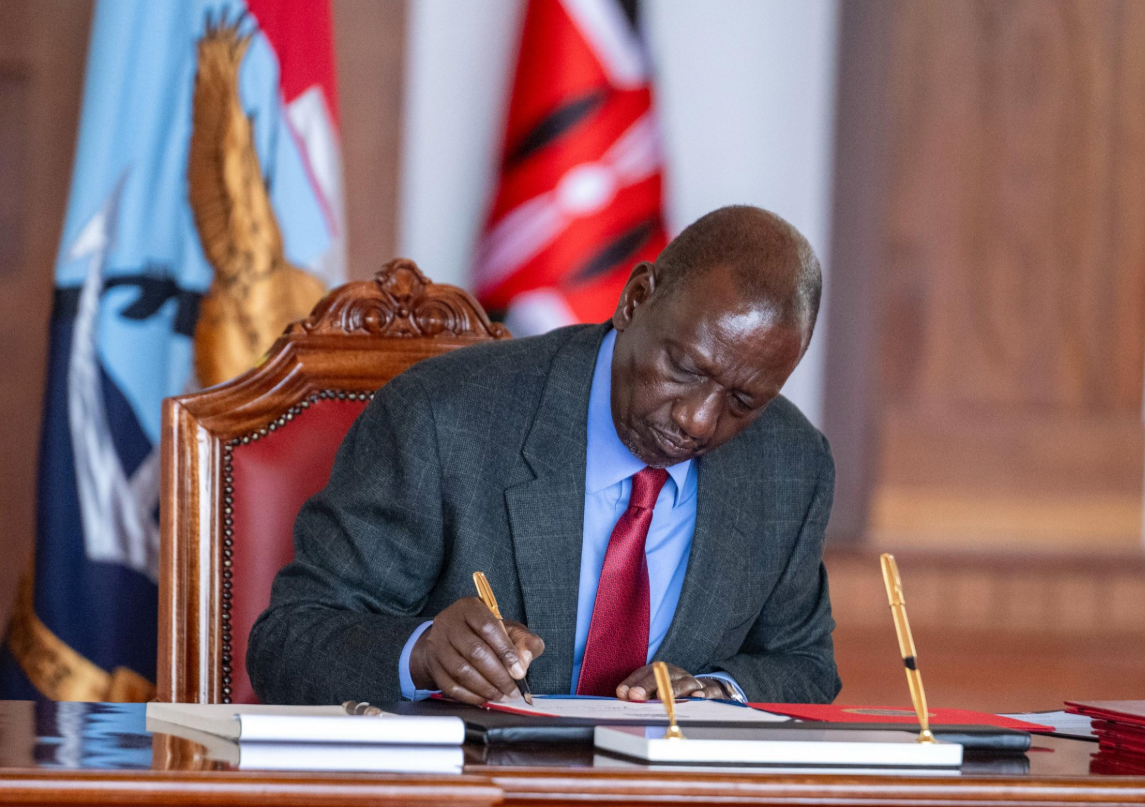 Kenya’s President William Ruto. Image Source: X
Imagine you wake up to rumours that your bank is in financial trouble and teetering on the edge of a shutdown. Pure pandemonium, right? Kenya has just passed a law on what could happen before things get that far.
What happened? President William Ruto has signed a new law giving the Central Bank of Kenya (CBK) the power to provide emergency loans to banks facing temporary financial stress.
It’s more like a financial first aid. If a bank suddenly struggles to meet short-term cash demands but is still healthy, the CBK can now step in with emergency funding to keep it operating while the situation stabilises.
However, it comes with conditions: For a bank to be eligible for this lifeline, it must still be financially sound, capable of surviving the crisis, and important enough that its collapse could threaten Kenya’s financial system.
It also has to provide acceptable collateral, repay the money within 12 months—unless an extension is granted—and comply with any other conditions that the CBK sets.
So yes, you can still say that only banks that are “too big to fail” will get priority access.
But don’t central banks already do this? Many central banks already act as what’s known as the lender of last resort. The South African Reserve Bank (SARB), the Bank of Tanzania, and other central banks all have frameworks for providing emergency liquidity to financial institutions during periods of market stress. Kenya’s amendment creates a clearer legal framework for when and how the CBK can use it.
Why Kenya cares so much: In Q1 2026, Kenya’s banking sector posted a profit before tax of KES 83.5 billion ($645 million), up by 13.6% from the previous year. The sector’s combined assets were worth KES 8.73 trillion ($67 billion), with tier-1 banks, such as KCB Group, Equity Group Holdings, and Co-operative Bank of Kenya, owning significant market share. Kenya’s banking sector is also tightly linked to the country’s digital payments ecosystem through services like Safaricom’s M-PESA, meaning problems at a major lender could ripple across businesses.
Naira Life 2026 is here!

The theme for this year’s Naira Life Conference by Zikoko is “All About Wealth.”
Join 2,000+ in Lagos on August 22 for a day of practical money conversations and workshops designed to move you from simply earning an income to building lasting wealth. Get 15% off early bird tickets.
Comapanies
MTN Group CEO, Ralph Mupita, joins new UN commission shaping AI’s future
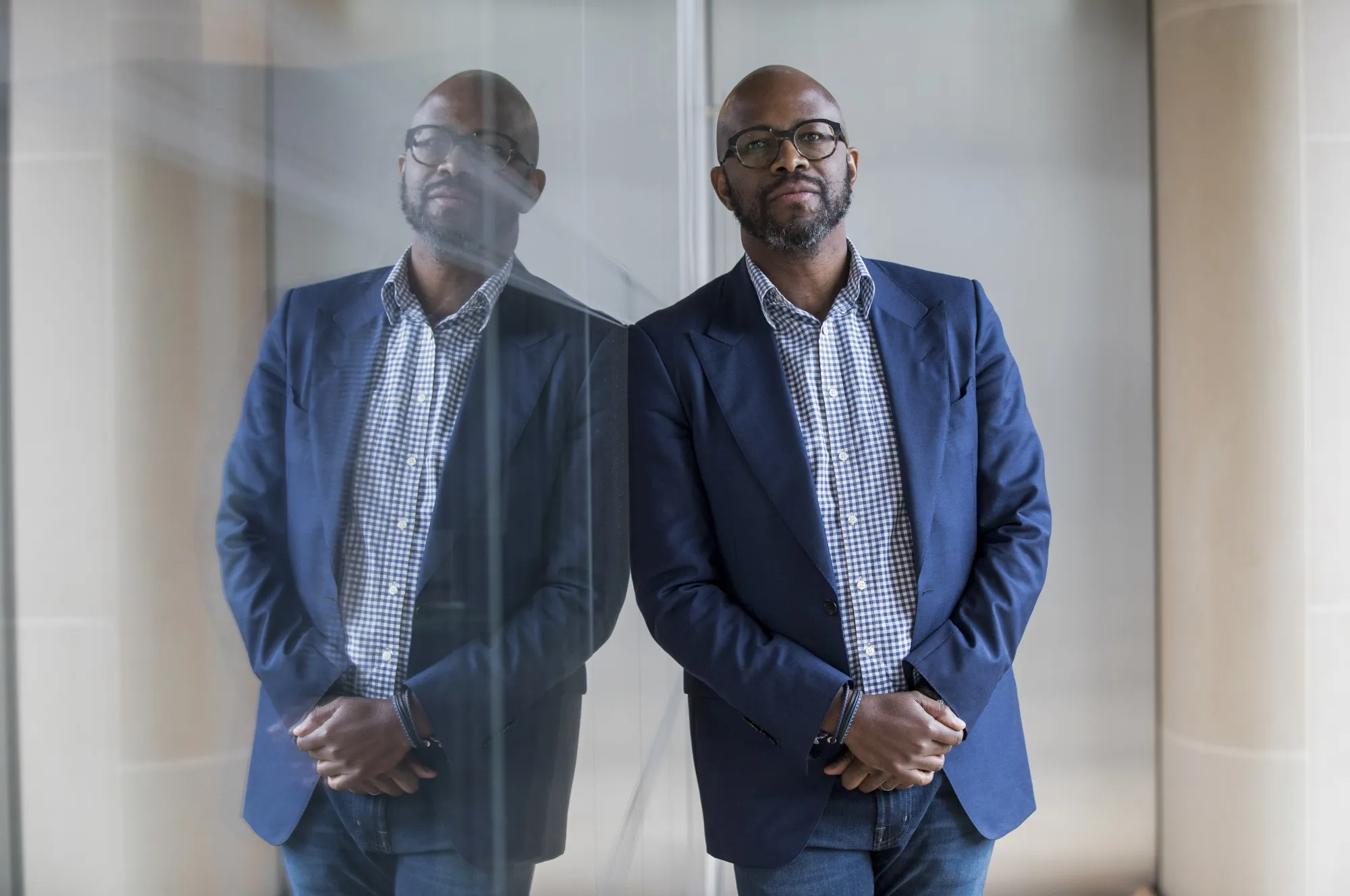 MTN’s CEO Ralph Mupita. Image source: Bloomberg
When the world starts discussing artificial intelligence, the guest list usually consists of the people building the biggest AI models. This time, the boss of Africa’s largest telecom company got an invite too.
What happened? Ralph Mupita, the chief executive of MTN Group, has been appointed a founding commissioner of the AI for Good Global Commission, a new body created by the United Nations’ International Telecommunication Union (ITU), a specialised agency of the United Nations responsible for many matters related to information and communication technologies.
Explain like I’m new here? Imagine a room where governments, tech companies, and researchers come together to talk about how AI can be used without causing more harm. That’s what the AI for Good Global Commission is. The commission is expected to recommend ways governments and companies can develop AI responsibly while making sure more countries benefit from it.
What’s Mupita doing at the AI table? It’s not unusual to see a telecom executive sitting alongside AI founders. AI still needs Internet connectivity, cloud infrastructure, data centres, and users before it can make an impact, and that is the world MTN operates in. Under its Ambition 2030 strategy, MTN wants AI to generate about R30 billion ($1.85 billion) in value by optimising network operations and developing AI-powered consumer and enterprise products. Under Mupita’s leadership, MTN has pushed beyond voice into fibre and data centres, and by extension, AI. That’s probably why he was selected.
Who wins? While information about whether Mupita will step down as MTN Group CEO (possibly unlikely) remains unknown, being in the room where decisions about global AI policies are discussed could ensure Africa’s realities are factored into global AI standards. Sure, you may not know Mupita personally, but the people sitting on commissions like this help shape conversations that influence how you are allowed to use AI. Having the head of one of Africa’s biggest technology companies in those conversations increases the chances that Africa’s realities are part of those discussions before decisions are made.
Showcase Your Brand at Moonshot by TechCabal

Founders. Investors. Policymakers. Enterprise leaders. Moonshot 2026 brings together the people shaping Africa’s technology ecosystem across AI, commerce, climate, enterprise, and culture. Spotlight your brand today.
Regulation
Kenya has a new licence category for Uber, Bolt, and Glovo, and it costs more
 Image Source: Business Daily Africa
Dear Kenyans, if you’ve used Uber Eats to order groceries, Bolt Food to get lunch delivered, or Glovo to send a parcel across town, you’ve been using services that have, until now, been operating under the same licence as a traditional courier company. That’s about to change.
Here’s the lowdown: The Communications Authority of Kenya (CAK) has said it wants to introduce a new ten-year courier licence, Courier Hailing Service Provider licence, that would regulate app-based delivery platforms, such as Uber, Bolt, Glovo, and Little, separately from traditional courier companies.
Explain like I’m new here: Until now, these companies operated under the same licencing framework as conventional courier firms, despite running businesses that look very different. Instead of dispatching parcels through branch networks, they match customers, riders, and merchants through apps. The CAK said the new licence recognises that distinction and creates a dedicated regulatory framework for platform-based delivery services.
What changes? From July 29, qualifying platforms will pay a KES 5,000 ($38.60) application fee, a KES 100,000 ($773) licence fee, and an annual operating fee of KES 100,000 ($773), or 0.4% of gross annual turnover, whichever is higher. They’ll also contribute a 0.5% universal service levy on annual turnover. Existing operators will be migrated to the new category and asked to pay the difference.
Why now? Kenya’s regulators are drawing clearer lines around the platform economy. The Kenya Revenue Authority (KRA), the country’s taxman, has already moved to tighten tax compliance by linking eTIMS to receipts of Little Cab, a ride-hailing platform that Kenyans use. The CAK is now doing something similar from a licensing perspective, recognising that app-based delivery has become a distinct business rather than a modern version of a courier company.
Zoom out: The new licence won’t fundamentally change how you order lunch or send a package. But it does change how the government sees the companies behind those taps. Delivery platforms are no longer regulatory oddities squeezed into an old courier framework. They’re becoming a sector with rules written specifically for them.
CRYPTO TRACKER
The World Wide Web3
Source:
 Bitcoin Bitcoin |
$63,124 |
+ 0.11% |
+ 2.34% |
| Ether |
$1,770 |
– 0.12% |
+ 10.41% |
| XRP |
$1.12 |
– 1.13% |
– 0.60% |
| Solana |
$81.07 |
+ 0.80% |
+ 26.24% |
* Data as of 06.50 AM WAT, July 7, 2026.
JOB OPENINGS
- Kredete —Blockchain Engineer — Lagos, Nigeria
- BBC — Video Journalist, BBC News Igbo — Lagos, Nigeria
- Bank of Taiwan, South Africa —Chief Risk Officer — Gauteng, South Africa
- M-KOPA — Group Tax Manager, Finance Business Partnering Manager — Nairobi, Kenya
Looking for more opportunities? There are additional openings on TechCabal’s job board. We’ve also cleared out outdated listings to keep opportunities fresh for job seekers. If you’re hiring and would like to feature an open role, please submit it via this form.










 English (US) ·