
 13 hours ago
1
13 hours ago
1


Happy Democracy Day. 
Before you read this newsletter, the 2026 FIFA World Cup would have kicked off with Bafana Bafana facing El Tri. I have just one thing to say to you: African tech is sweet, but football, especially on the world’s biggest stage, is sweeter. During this period, make time to watch the beautiful game and bring along people who probably don’t care about football as much. And make them care.
It’s a shame that on Nigeria’s Democracy Day, I have to take a swipe at the country for not making consecutive appearances at the World Cup. Who knows? The Super Eagles could have been the underdog winners at this year’s event.
Let’s dive right in.
—Emmanuel
ICYMI: Kim Tran, chief executive officer and co-founder of Trenderz, is rebuilding how creator recommendations turn into real bookings in Africa. Get smarter about Francophone Africa with our newsletter, Francophone Weekly—the startups, tech policies, and institutions building the pipelines for ecosystem growth.


features
Quick Fire  with Bolaji Anifowose
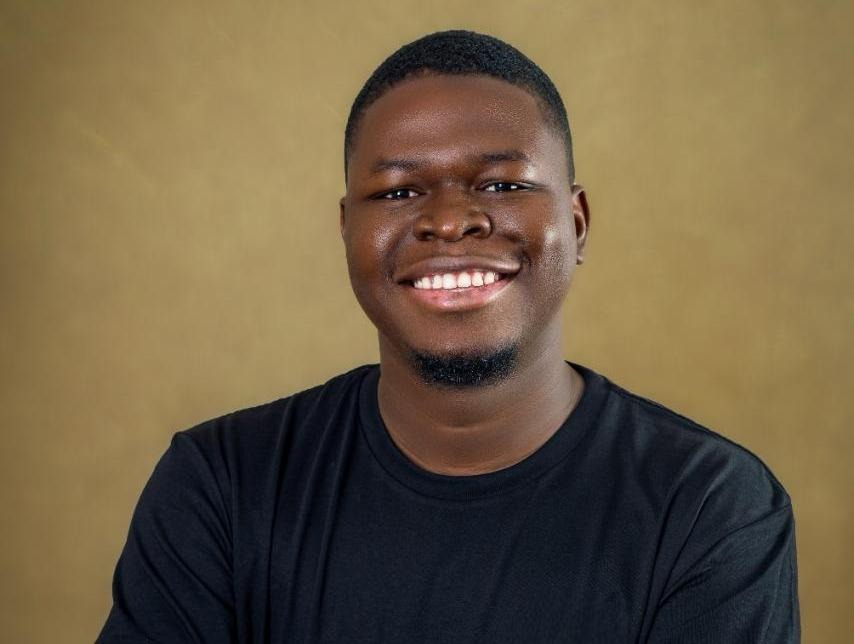 Image: Bolaji Anifowose, product marketing manager and GTM engineer
Bolaji Anifowose is a product marketing manager and go-to-market (GTM) engineer with over 7 years of experience helping startups across Africa and beyond sharpen their positioning, launch products, and build compounding growth engines. He has led growth, GTM, and marketing efforts for high-impact companies such as Simpu, Distrobird, Chatbase, and Tecno, delivering successful product launches, demand generation campaigns, and market expansion strategies that produce significant results.
- Explain your job to a five-year-old.
You know when you make something really cool, like a drawing or a sandcastle, but nobody comes to look at it? My job is to make sure people come and look. I help companies that have built something good figure out how to tell the right people about it, in a way that makes them go “I want that.” I find the people who would love it, work out what to say to them, and build little machines that help do it again and again.
- Did your 16-year-old self ever imagine he’d end up in marketing?
Not even close. At 16, I was deep in science, headed for engineering, convinced my future involved metals and lab coats. Marketing wasn’t on the map. If you’d told that kid he’d spend his days writing, building automations, and obsessing over why people buy things, he’d have laughed. But here’s the funny part: the engineer never left. I still approach marketing the way I’d approach a materials problem. Test, measure, find the system underneath the noise. I didn’t abandon engineering. I just changed what I was building.
- Who’s a GTM engineer, and what’s the path to becoming one?
GTM engineering is a term Clay coined in 2023. The simplest way to think about it is this: a GTM engineer builds systems that generate revenue. You’re combining artificial intelligence (AI), automation, and creative problem-solving to do work that would normally require a much larger team. That’s the core of it: giving a small team the firepower of a big one.
There isn’t just one type of GTM engineer. I usually break it into three. First, the software engineer who could work on a product or data team but chose revenue instead. Second, the systems specialist, often from revenue operations (RevOps) or marketing operations, who excels at orchestrating tools. Third, the marketer or salesperson who picked up technical skills and sits at the intersection of strategy and execution. That’s me, and for most people, it’s the most realistic path in.
To get started, learn the fundamentals first: ideal customer profile (ICP), positioning, channels, and messaging. Build with tools companies are hiring for today, like Clay, n8n, and Claude Code. Turn a real task into a working system, then run it on actual campaigns.


We Have Secured the Bank of Ghana EPSP Licence.
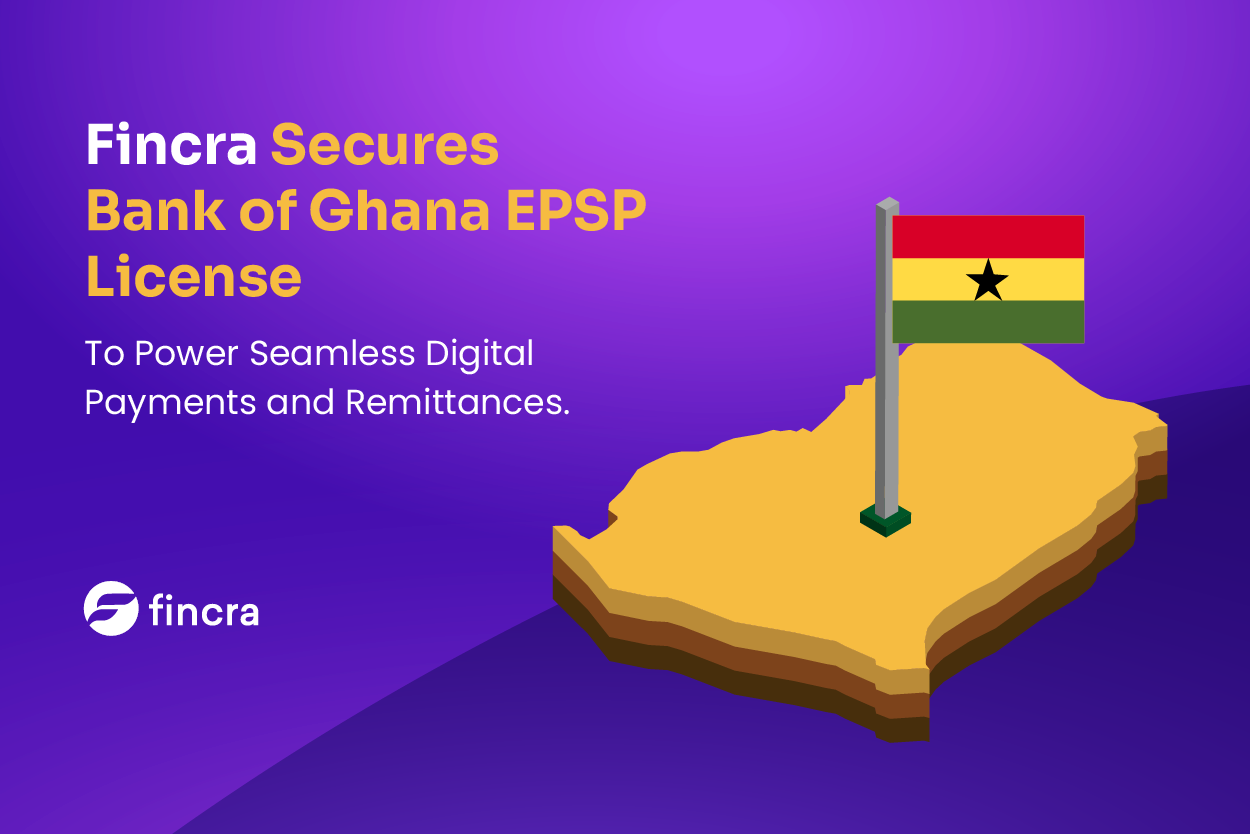
Fincra has officially secured its Enhanced Payment Service Provider licence. This regulatory milestone authorizes Fincra to directly collect, process, and settle payments in Ghanaian Cedis, offering a highly streamlined financial pipeline for businesses operating within the region. Start here.
banking
Family Bank is finally listing on the Nairobi Securities Exchange
 Image: Tenor
These days, getting companies to list on the Nairobi Securities Exchange (NSE) can feel a bit like convincing friends to leave the group chat and show up in person. It doesn’t happen often, but after five years of trying, Family Bank is finally showing up.
Family Bank, a Kenyan tier-two lender with assets worth KES 230.3 billion ($1.78 billion), received approval to list on the country’s stock exchange on June 23.
The lender has been chasing a listing since 2021, like courting a lady for five years and only just getting accepted. It said it wanted to prepare adequately.
However, Family Bank is not raising fresh capital from the listing. The lender already did that. In 2025, it raised KES 8 billion ($61.8 million) through a private placement. Previously, as a private lender with a very public responsibility to uphold (since it holds customers’ money), Family Bank published its financials to maintain trust. With a public listing, it will provide access.
Both the NSE and Family Bank need this listing: Kenya’s stock market spent much of 2020–2025 in the doldrums, weighed down by a listing drought that left retail investors hanging out to dry as few companies came to market through initial public offerings (IPOs), listings by introduction, or other routes. For much of that period, investors were stuck with the same roster of 66 companies to invest in for years.
Now, with a confirmed listing date, Family Bank can chill with the big boys, like KCB and Equity Bank, on the stock market, and give its customers an opportunity to be a part of a bank they trust with their money.
Kora joins IATA’s Financial Gateway
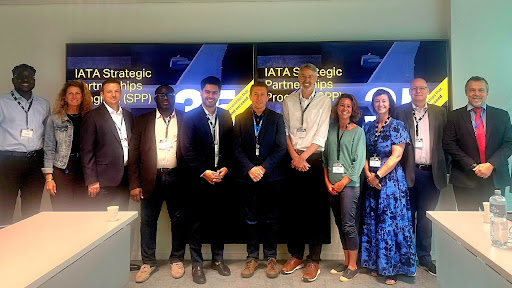
Kora joins IATA’s Financial Gateway, giving global airlines a single connection to Africa’s payment infrastructure. Read more:
streaming
DStv website hit by outage
 Image source: Wunmi Eunice/BCM Design.
While it did not deprive us of precious minutes of World Cup football or the sight of African mega pop-stars performing on football’s biggest stage, the timing was impeccable. DStv’s website logged off just as the worldwas about to log in.
What happened? On Thursday, hours before South Africa faced Mexico in the opening match of the 2026 FIFA World Cup, users reported difficulties accessing DStv’s website and self-service platforms. Subscribers could still stream matches through DStv Stream, but anyone trying to manage an account or subscription online received error messages instead.
By the time we wrote this blurb, the worst appeared to be over. DStv’s website was largely accessible again, although outage tracker Downdetector still showed reports from 36 South African users experiencing issues as of 8 p.m. WAT.
The outage lands at an awkward moment for Canal+, DStv’s parent company, which completed its takeover of MultiChoice last year and listed on the Johannesburg Stock Exchange on June 3. Since then, more than 1.6 million shares have traded as investors weigh Canal+’s plan to revive a pay-TV business under pressure from streaming rivals. The stock closed Wednesday at R60 ($3.68), up by 0.35%.
Between the lines: Investor attention is particularly sharp because Canal+ has made its strategy clear: defend DStv with sport. On June 3, the company renewed key rugby and football rights across Africa, wagering that live matches remain one of the few reasons viewers will keep paying for traditional TV as streamers and free-to-air rivals like SportyTV compete harder for audiences.
Which is why a glitch on World Cup opening day, even a temporary one, feels bigger than a routine technical hiccup. Football is DStv’s crown jewel. The front door isn’t supposed to jam when guests are arriving.
Naira Life 2026 is here!
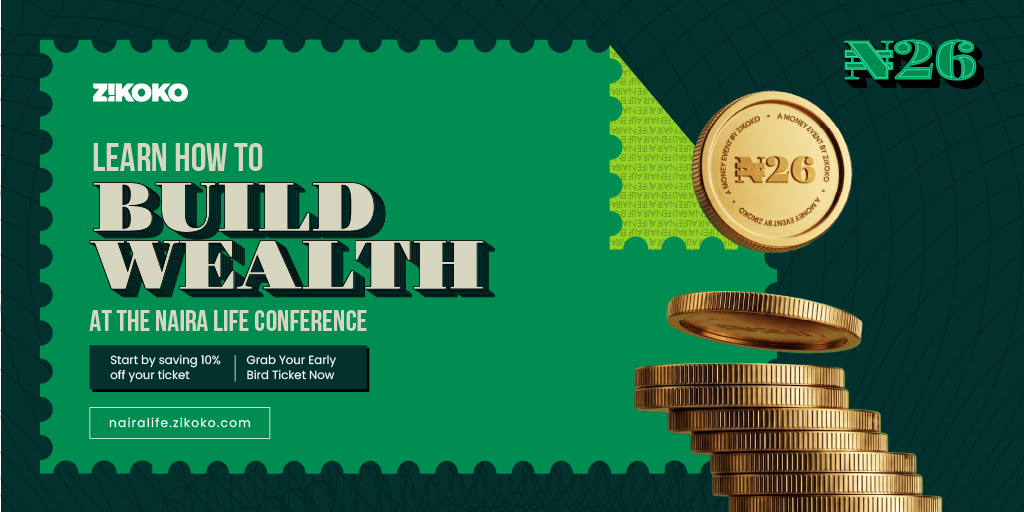
The theme for this year’s Naira Life Conference by Zikoko is “All About Wealth.”
Join 2,000+ in Lagos on August 22 for a day of practical money conversations and workshops designed to move you from simply earning an income to building lasting wealth. Get 15% off early bird tickets.
insights
Funding tracker
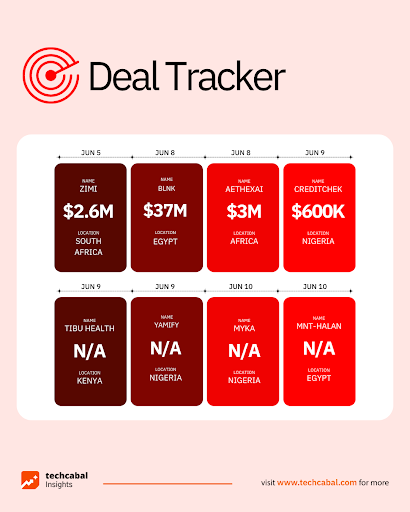 Image Source: TechCabal Insights
Blnk, an Egyptian fintech startup, raised $37 million in funding. The equity round was led by Algebra Ventures, with participation from SANAD Fund for MSME, Endeavor Catalyst, and Emirates International Investment Company, the Abu Dhabi-based firm. The debt funding came from the National Bank of Egypt (NBE), Suez Canal Bank, and Bank Albaraka. (June 8)
Here are the other deals for the week:
- Zimi, a South African e-mobility startup, raised $2.6 million in a funding round led by the Development Bank of Southern Africa (DBSA), with participation from Keyo Ventures and angel investors. (June 5)
- AethexAI, an Africa-focused AI startup, raised $3 million in pre-seed funding. The round was led by 4DX Ventures, with participation from Enza Capital, Dorm Room Fund, Mojo Ventures, and the Stanford GSB ’26 Fund, alongside angel investors including Stanford faculty, telecom executives, and AI researchers from Anthropic. (June 8)
- CreditChek, a Nigerian fintech startup, raised $600,000 in a funding round led by Janngo Capital, with participation from Assembly Investors, Vastly Valuable Ventures, and Unipeg Capital. (June 9)
- Kloset Klub, a South African e-commerce startup, raised an undisclosed amount in seed funding from Thinkroom. (June 8)
- Tibu Health, a Kenyan healthtech startup, secured an undisclosed financing facility from the French development finance institution (DFI) Proparco through the Bridge Fund by Digital Africa. (June 9)
- Yamify, a Nigerian deeptech startup, secured undisclosed funding from Launch Africa Ventures. (June 9)
- Myka, a Nigerian insurtech startup, raised an undisclosed amount in pre-seed funding from Ventures Platform, TLcom, Shola Akinlade, co-founder of Paystack; Ridwan Olalere, founder of LemFi; and Olumide Soyombo, founder of Voltron Capital, and catalytic funding from Cascador. (June 10)
- MNT-Halan, an Egyptian fintech startup, secured an undisclosed investment from AI Ahly Capital, the investment arm of the National Bank of Egypt (NBE), the country’s largest state-owned lender. (June 10)
Follow us on Twitter, Instagram, and LinkedIn for more funding announcements. Before you go, did you know that African startups crossed $1.3B in funding by June 2026. Read about it here.
Showcase Your Brand at Moonshot by TechCabal

Founders. Investors. Policymakers. Enterprise leaders. Moonshot 2026 brings together the people shaping Africa’s technology ecosystem across AI, commerce, climate, enterprise, and culture. Spotlight your brand today.
CRYPTO TRACKER
The World Wide Web3
Source:

 Bitcoin Bitcoin |
$63,301 |
+ 1.11% |
– 21.88% |
| Ether |
$1,662 |
+ 0.84% |
– 27.65% |
| XRP |
$1.13 |
+ 2.19% |
– 21..78% |
| Solana |
$66.65 |
+ 2.51% |
– 30.04% |
* Data as of 06.55 AM WAT, June 12, 2026.
Events
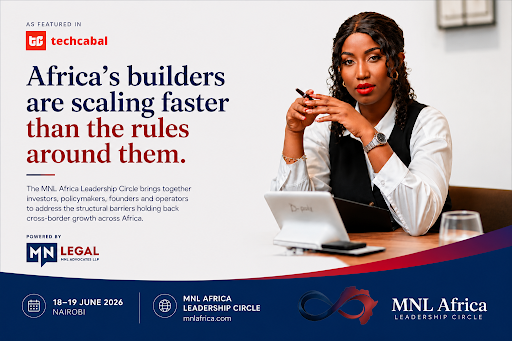 Africa’s builders are scaling faster than the rules around them. The MNL Africa Leadership Circle is a high-level gathering of investors, policymakers, founders, operators, and legal practitioners focused on the structural barriers holding back cross-border growth across Africa. Taking place on June 18–19, 2026 at Villa Rosa Kempinski, Nairobi, the Circle convenes practical, solutions-driven dialogue across cross-border trade, capital markets, AI, cybersecurity, tax policy, and regional integration, generating actionable recommendations for doing business in Africa. Reserve your seat.
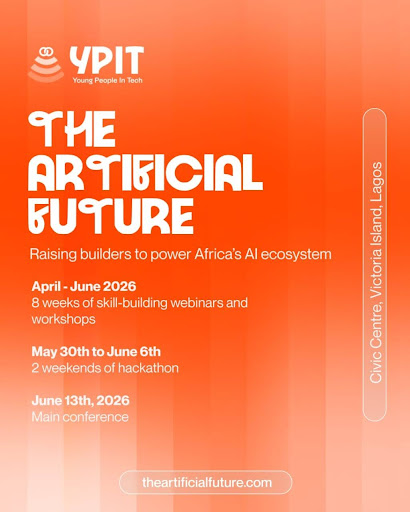 The Artificial Future Conference, organised by YPIT (Young People in Tech), takes place on June 13 at the Civic Centre in Lagos, Nigeria. The event will bring together AI founders, researchers, engineers, investors, and policymakers for conversations on building Africa’s AI ecosystem. Attendees will also get a front-row seat to a live Demo Day, where top teams from YPIT’s hackathon will pitch their AI solutions to investors and the public. Get your ticket to attend in person or virtually.










 English (US) ·