
 3 weeks ago
13
3 weeks ago
13
ARTICLE AD BOX
The decision by the Nigerian Communications Commission in collaboration with the Lagos State Infrastructure Maintenance and Regulatory Agency, and the Association of Telecommunications Companies of Nigeria to commence a statewide telecom infrastructure cleanup (assessment) exercise in Lagos may appear, on the surface, like a routine environmental enforcement operation.
But Techeconomy analysts say the initiative represents something deeper: the beginning of a stricter regulatory phase in Nigeria’s telecom infrastructure governance, one that could reshape how fibre optic cables and telecom facilities are deployed nationwide.
The cleanup exercise, which began around Toyin Street, Ikeja, exposed widespread cases of improperly installed aerial fibre cables hanging dangerously on poles, gates, gutters, and close to public walkways.
Regulators described some of the exposed cables as live infrastructure capable of endangering public safety, affecting city aesthetics, and contributing to poor quality of service experienced by subscribers.
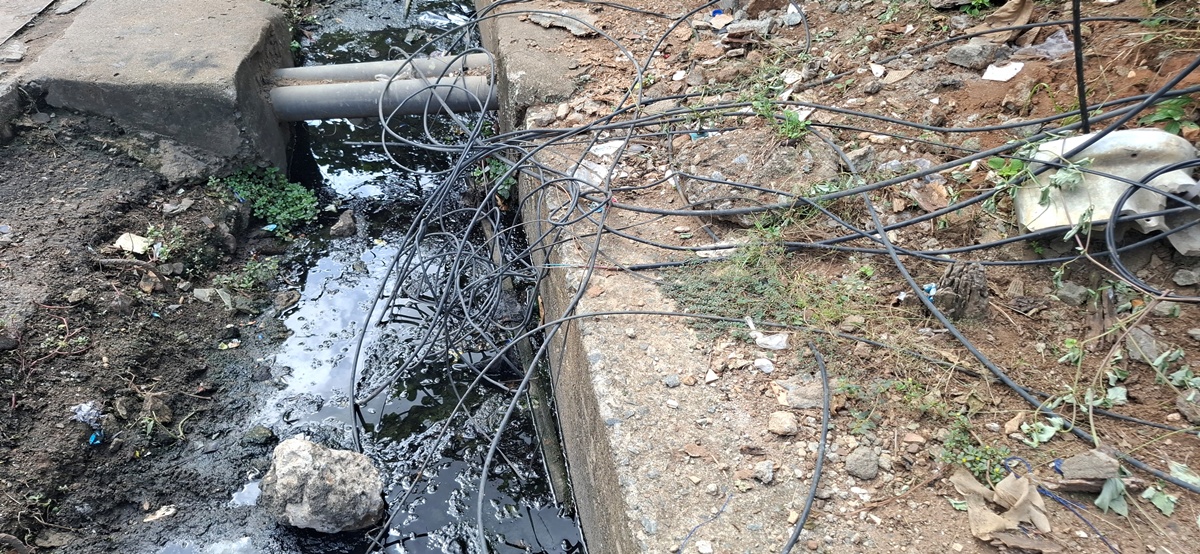 Photo Credit: Techeconomy/PETEROLUKA.
Why the Cleanup Matters
For years, Lagos residents have complained about indiscriminate deployment of telecom cables across streets, estates, business districts, and utility corridors.
As broadband expansion accelerated, driven by rising internet demand, fintech growth, streaming services, cloud computing, remote work, and enterprise connectivity, operators raced to deploy fibre infrastructure rapidly, sometimes with limited coordination, poor documentation, and weak compliance oversight.
The result has been what many urban planners describe as infrastructure disorder, loose cables tied across poles, exposed fibre lines crossing roads, poorly managed ducts, and installations that compromise both safety and urban planning objectives.
The latest action suggests regulators are no longer willing to tolerate those practices.
According to officials of the Nigerian Communications Commission, neglecting telecom infrastructure deployment standards exposes Critical National Information Infrastructure (CNI) to damage and contributes to service instability and network outages.
That position is significant because telecom infrastructure is increasingly being treated as strategic national infrastructure tied directly to economic productivity, digital finance, public services, and national security.
From Broadband Expansion to Infrastructure Standardisation
Over the past decade, Nigeria’s telecom policy focus largely revolved around broadband penetration and network expansion.
The government pushed aggressively for fibre rollout, tower expansion, digital inclusion, and deeper connectivity across underserved communities.
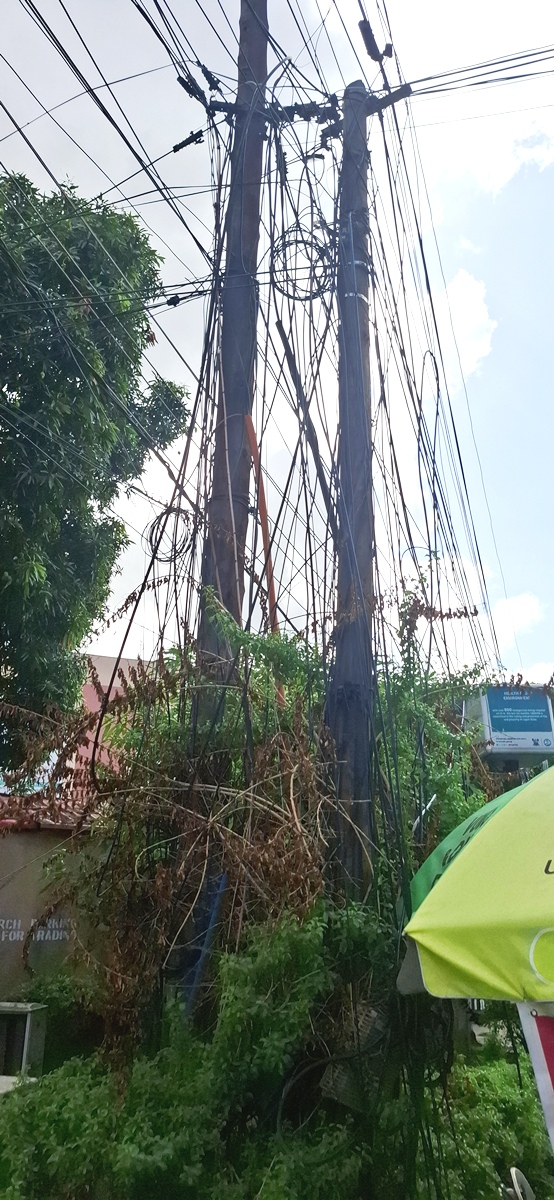 Photo Credit: Techeconomy/PETEROLUKA.
However, the Lagos cleanup initiative indicates that regulators may now be entering a second phase: infrastructure standardisation, compliance enforcement, and urban integration.
This transition reflects growing concern among policymakers that uncontrolled fibre deployment could create long-term risks for smart city planning, transportation projects, environmental sustainability, public safety, and infrastructure resilience.
Industry stakeholders also acknowledge that poor coordination has become a major operational challenge.
Tony Izuagbe Emoekpere, the president of the Association of Telecommunications Companies of Nigeria, has also warned that fibre cuts caused by road construction, excavation activities, and infrastructure vandalism continue to disrupt network quality nationwide.
According to industry estimates, operators record thousands of fibre cuts annually, leading to service outages, degraded internet quality, enterprise disruptions, and billions of naira in financial losses.
The implication is increasingly clear: poorly coordinated telecom deployment is no longer just a technical issue; it is an economic and governance challenge.
Likely Policy Moves by NCC and LASIMRA
1. Stricter Approval Frameworks for Fibre Deployment
Industry observers expect regulators to tighten approval processes for both aerial and underground fibre installations, particularly in densely populated urban areas.
Operators may increasingly be required to submit detailed deployment maps, engineering plans, environmental compliance reports, and infrastructure safety documentation before approvals are granted.
This could significantly reduce the era of informal or hurried cable deployment.
2. Mandatory Telecom Infrastructure Audits
The cleanup exercise could evolve into periodic infrastructure compliance audits across Lagos and eventually other states.
Our prediction is that regulators may begin creating comprehensive databases of fibre routes, utility corridors, underground ducts, tower infrastructure, and abandoned telecom assets.
Such audits would help improve planning coordination and reduce accidental infrastructure damage during road projects and urban development works.
3. Tougher Enforcement and Sanctions
Although the current operation has been presented as corrective and collaborative, analysts expect stricter enforcement measures to follow.
Future violations could attract sanctions, infrastructure removal orders, financial penalties, redeployment obligations, or restrictions on future deployment approvals.
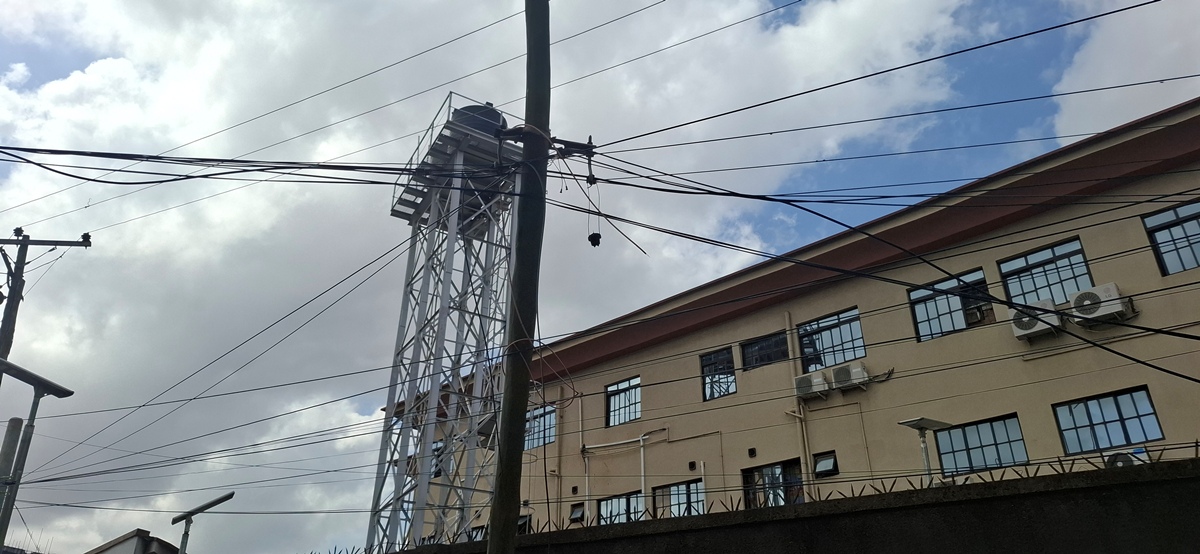 Photo Credit: Techeconomy/PETEROLUKA.
This would represent a major shift from the historically weak enforcement environment that has characterized parts of the telecom infrastructure ecosystem.
4. Push toward Shared Duct Infrastructure
One of the likely long-term outcomes is increased regulatory pressure for operators to adopt shared duct systems instead of indiscriminate aerial cabling.
Shared duct infrastructure is increasingly viewed as critical for reducing visual pollution, lowering deployment duplication, improving maintenance coordination, and supporting smart city development.
Lagos State has previously explored unified duct infrastructure initiatives, and the current cleanup exercise may accelerate those discussions.
5. Stronger Coordination with Road Construction Agencies
A recurring problem within Nigeria’s telecom sector is the frequent destruction of fibre infrastructure during road construction and excavation projects.
From our analysis, regulators may therefore push for mandatory coordination frameworks involving telecom operators, ministries of works, urban planning agencies, utility providers, and local authorities. Such frameworks could include compulsory infrastructure mapping and pre-excavation notification systems before road projects commence.
6. Nationwide Replication beyond Lagos
Although Lagos currently serves as the pilot location, there are indications that similar exercises could spread to other states.
Cities such as Abuja, Port Harcourt, Kano, and Ibadan may eventually witness similar enforcement operations as regulators attempt to standardise telecom infrastructure governance nationally.
The Industry’s Dilemma
For telecom operators, however, the issue is more complicated than regulation alone.
Operators continue to battle high right-of-way charges, multiple taxation, diesel price increases, forex instability, infrastructure theft, vandalism, and rising operational costs. In many instances, aerial fibre deployment became the fastest and cheapest option for rapid broadband expansion in environments where underground duct infrastructure remains limited or expensive.
This creates a delicate balancing act for policymakers.On one hand, regulators want cleaner, safer, and more coordinated deployments. On the other hand, operators face pressure to expand broadband access quickly, reduce connectivity gaps, and support Nigeria’s digital economy ambitions.
The challenge for regulators will be designing compliance frameworks that improve standards without slowing broadband penetration or discouraging infrastructure investment.
Why this Matters for Nigeria’s Digital Economy
Nigeria’s digital economy is increasingly dependent on reliable telecom infrastructure.
Fintech transactions, cloud services, e-commerce, streaming platforms, AI systems, digital education, smart governance initiatives, and enterprise operations all rely heavily on stable connectivity.
As data consumption rises rapidly, fibre infrastructure is becoming as strategically important as roads, power systems, and transportation networks.
That reality is forcing regulators to rethink how telecom infrastructure is deployed, protected, and governed.
The Lagos cleanup initiative therefore represents more than environmental enforcement.
It signals a broader policy evolution, one where telecom infrastructure is no longer treated as informal utility deployment, but as critical national infrastructure requiring planning, regulation, standardisation, protection, and long-term sustainability.
A Defining Moment for Telecom Governance
For the Nigerian Communications Commission and Lagos State Infrastructure Maintenance and Regulatory Agency, the message appears increasingly clear: Broadband expansion can no longer happen without orderliness, safety, infrastructure discipline, and urban coordination.
The next phase of Nigeria’s digital transformation may therefore depend not only on how much fibre is deployed, but also on how responsibly, safely, and sustainably that infrastructure is managed. We recommend that all stakeholder should join hands to ensure the proerly deployment of the infrastrcture as against dumping the blames on the door steps of the regulators alone.
The post Telecom Infrastructure ‘Cleanup Exercise’ Signals Tougher Era for Telecom Infrastructure Regulation in Lagos appeared first on Tech | Business | Economy.











 English (US) ·