
 3 hours ago
2
3 hours ago
2


📆 Release window: Anticipated for 2027 or 2028, with developer alpha versions rolling out in 2027
💪 Performance & specs: Will feature a custom AMD SoC, co-designed for next-gen DirectX and FSR, promising a significant leap in ray tracing and leveraging Neural Rendering techniques
💰 Estimated price: Expected to be significantly higher than previous consoles, likely starting at $999.99 due to its high-end, console/PC hybrid goals
🤔 Content strategy: Will support full backward compatibility and continue the Xbox Play Anywhere strategy, meaning future first-party games will not be exclusive to the console
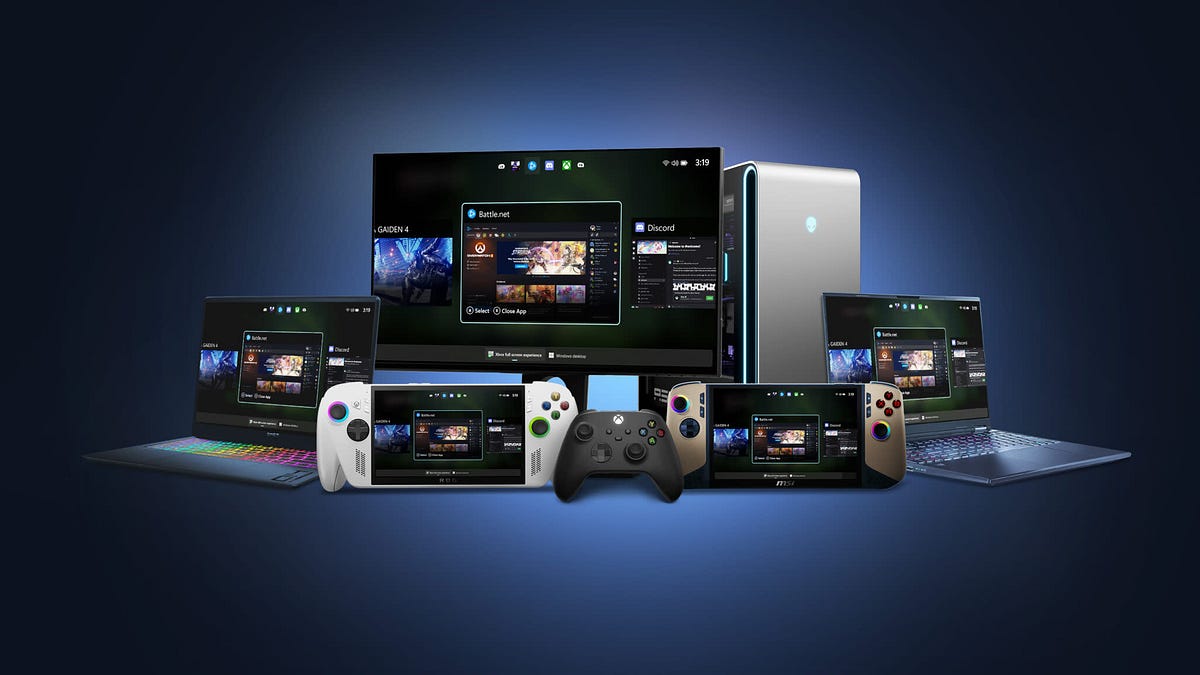
Project Helix: that’s the codename of the next Xbox. It promises to bridge the gap between a traditional console and PC, letting you enjoy games from every storefront and the Xbox games you know and love.
More details about Xbox Project Helix have emerged during GDC 2026, as Microsoft has outlined its plans for its next-gen console, giving us a better understanding of what we can expect.
With Xbox Project Helix tipped for a 2027 or 2028 release date, we’re rounding up everything you need to know about Microsoft’s next console and will update this page with more information in the months to come.

Microsoft says that Xbox Project Helix is “designed to play your Xbox console and PC games”, breaking the barrier that existed between the two platforms for decades.
It means that you’ll be able to play games from Steam, the Epic Games Store, and also enjoy your back catalog of existing Xbox games you’ve amassed over the years.
The pitch sounds promising and refreshingly pro-consumer. However, like with the Asus ROG Xbox Ally X – which has arguably been a test case for the idea – it’s harder to execute than it sounds.
Microsoft will also have to compete with Valve’s upcoming Steam Machine, which brings the console-like and widely beloved SteamOS to a small form factor PC that acts like a console (albeit one that’s aimed at Steam users), and it’s due to launch this year.
Sony will also be looking to outdo Microsoft yet again with the PS6, which sounds like it will stick to the traditional console formula, offering exclusive games that are designed solely for one piece of hardware.
Even if Microsoft nails the concept that it’s pitching with Xbox Project Helix, there’s no guarantee that it will be a success or resonate with consumers as the space is arguably more competitive than it’s ever been, and Microsoft is entering the next-generation in perhaps its weakest ever position.
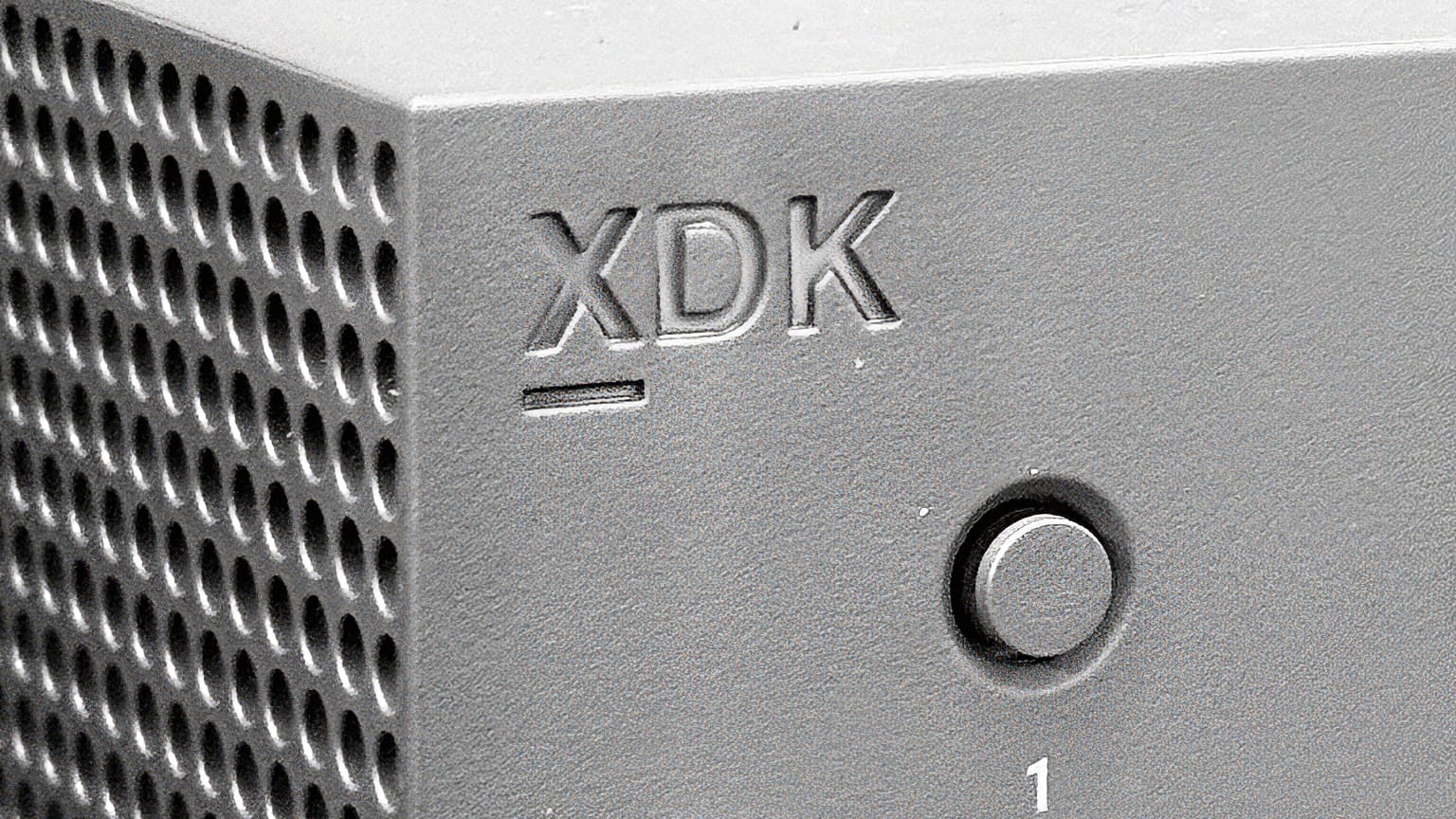
During GDC 2026, Microsoft’s VP of next generation, Jason Ronald, revealed that developers will get their hands on alpha versions of Xbox Project Helix in 2027. That strongly implies that a release date of 2027 for Microsoft’s next console could be difficult, especially as developers only have an incomplete version of the Project Helix dev kit to work with.
If dev kits roll out at the start of the year, then a typical November release date could be on the cards. However, it’ll all depend on how easy it is for developers to get their games running on Microsoft’s new hardware. If it proves tricky, or Microsoft doesn’t update its dev tools quickly enough, expect a 2028 release date for Project Helix.
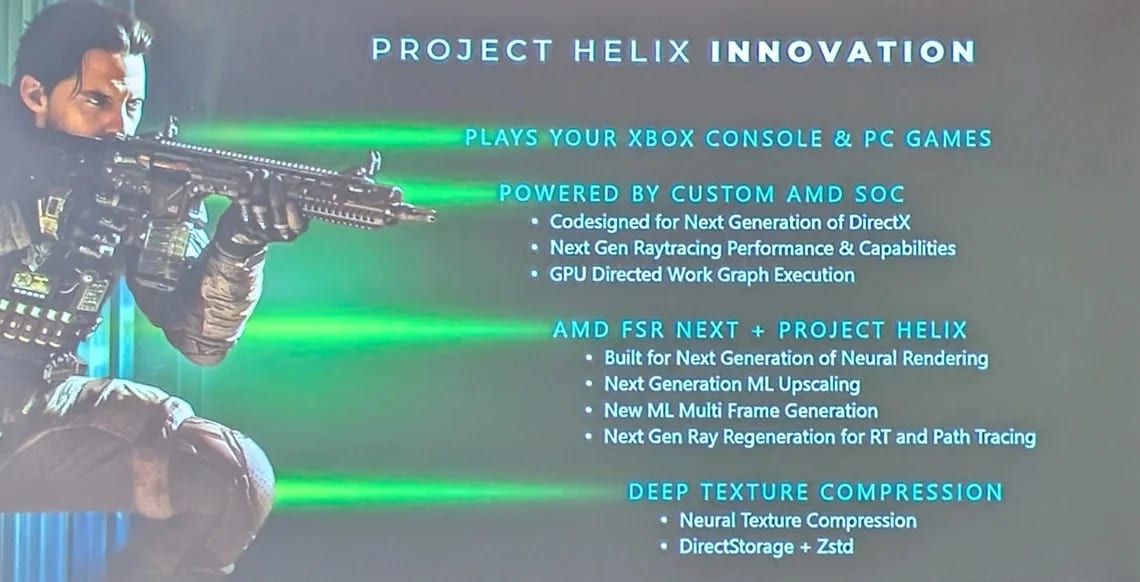
Microsoft’s CEO of gaming, Asha Sharma, said Xbox Project Helix will “lead in performance”, implying the console will be more powerful – at least on paper – than Sony’s PS6. Microsoft is partnering with AMD once again, and has said that Project Helix is powered by a “custom AMD SoC and co-designed for the next generation of DirectX and FSR”.
In a post on Xbox Wire, Jason Ronald said that Project Helix will deliver “an order of magnitude leap in ray tracing performance and capability”. A slide from GDC 2026 showed how Project Helix will innovate in the following ways:
Powered by a custom AMD SoC
Co-designed for the next generation of DirectX
Next-gen ray tracing performance & capabilities
GPU Directed Work Graph Execution
AMD FSR Next + Project Helix
Built for the next generation of Neural Rendering
Next Generation ML Upscaling
New ML Multiframe Generation
Next Gen Ray Regeneration for RT and Path Tracing
Deep texture compression
Neural Texture Compression
Direct Storage + Zstd
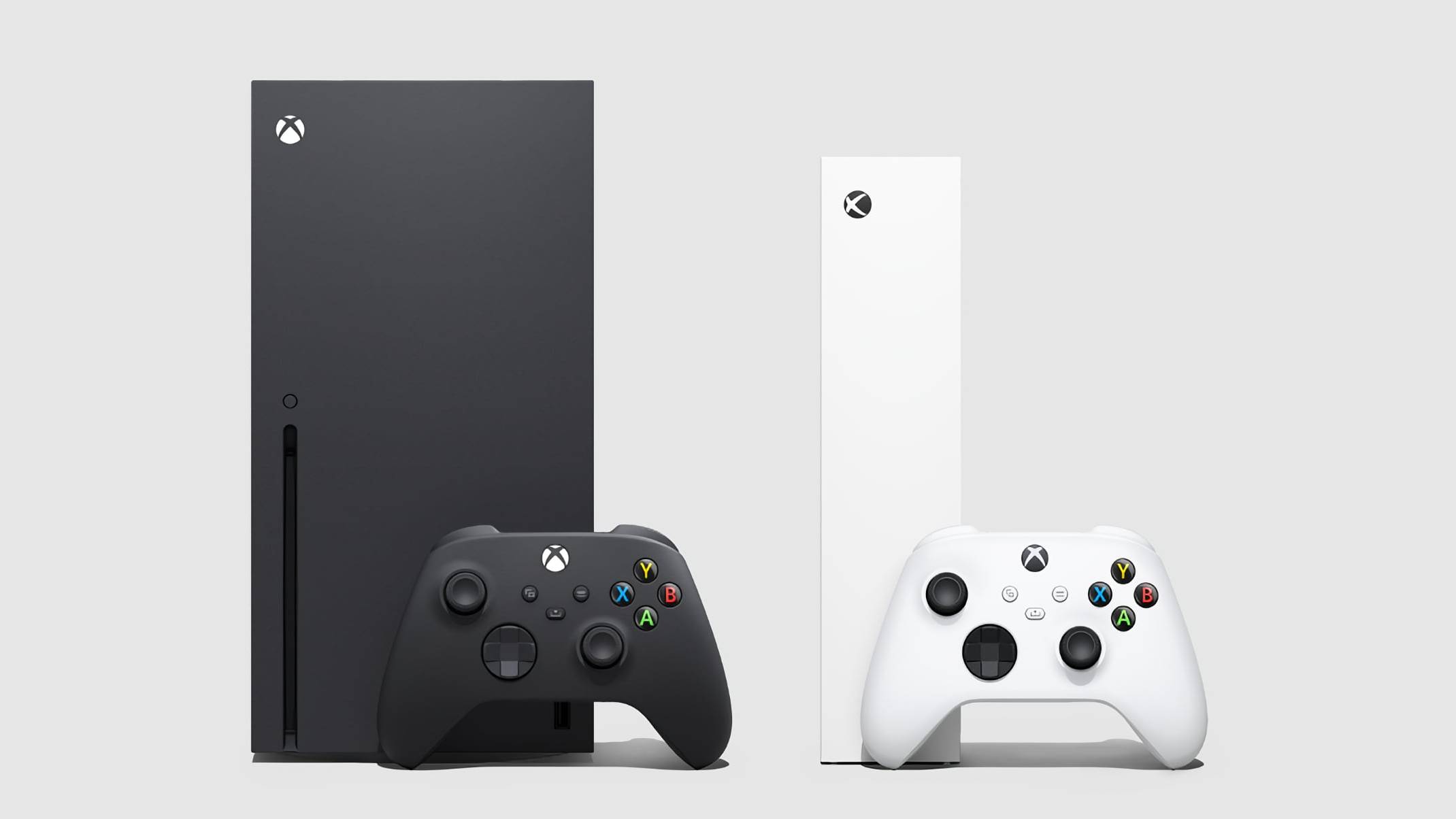
It’s impossible to know how much the next Xbox console will cost, but there’s no denying it’s expected to be significantly more expensive than the typical $499.99 price we’ve grown accustomed to.
After all, the Xbox Series X and Xbox Series S consoles cost more today than they did in 2020, and Microsoft’s goal of creating a console/PC hybrid means it’ll need to run some of the most demanding PC games.
If that wasn’t evidence enough, the Asus ROG Xbox Ally X, a handheld, cost $999.99 at launch and the PS5 Pro, a mid-generation refresh of the PlayStation 5, is currently $750.
With that in mind, it’s likely that Xbox Project Helix will command a price tag of at least $999.99, if not more, when it eventually releases. And that’s if the memory crisis has subsided by then.
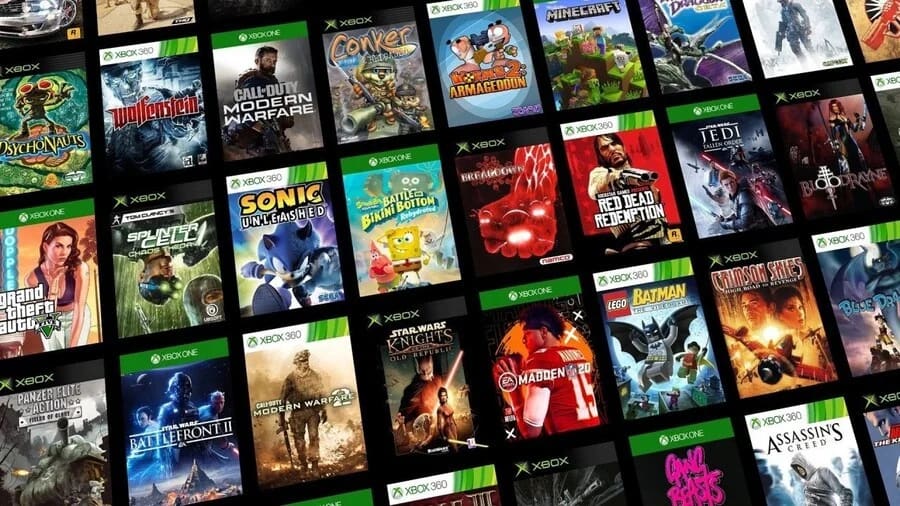
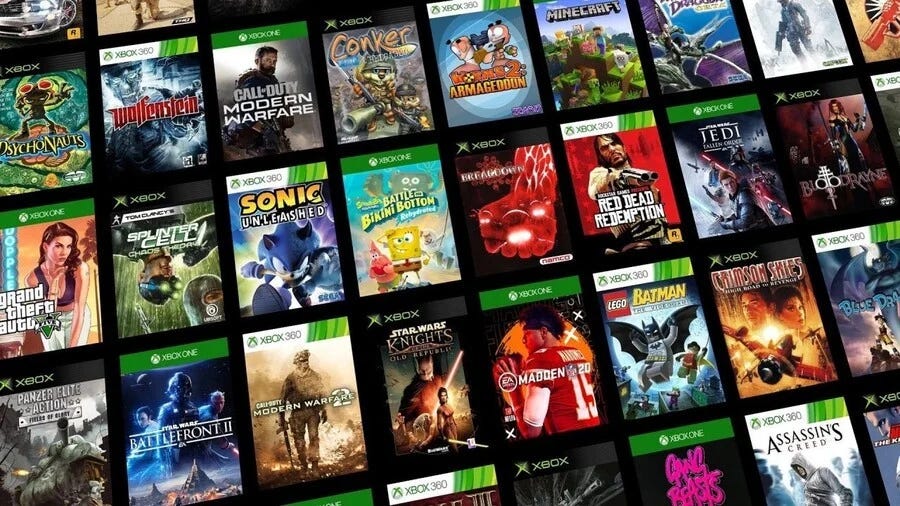
Many will be wondering whether the new Xbox will play all your old games. After all, dedicated Xbox fans will have built up a library of hundreds of games and invested thousands of dollars into the ecosystem.
Thankfully, it sounds like Project Helix will support full backward compatibility with prior generations of Xbox. Ronald said that the team is “committed to keeping games from four generations of Xbox playable for years to come” and also teased that “as part of our 25th anniversary later this year, we’ll be rolling out new ways to play some of the most iconic games from our past.”
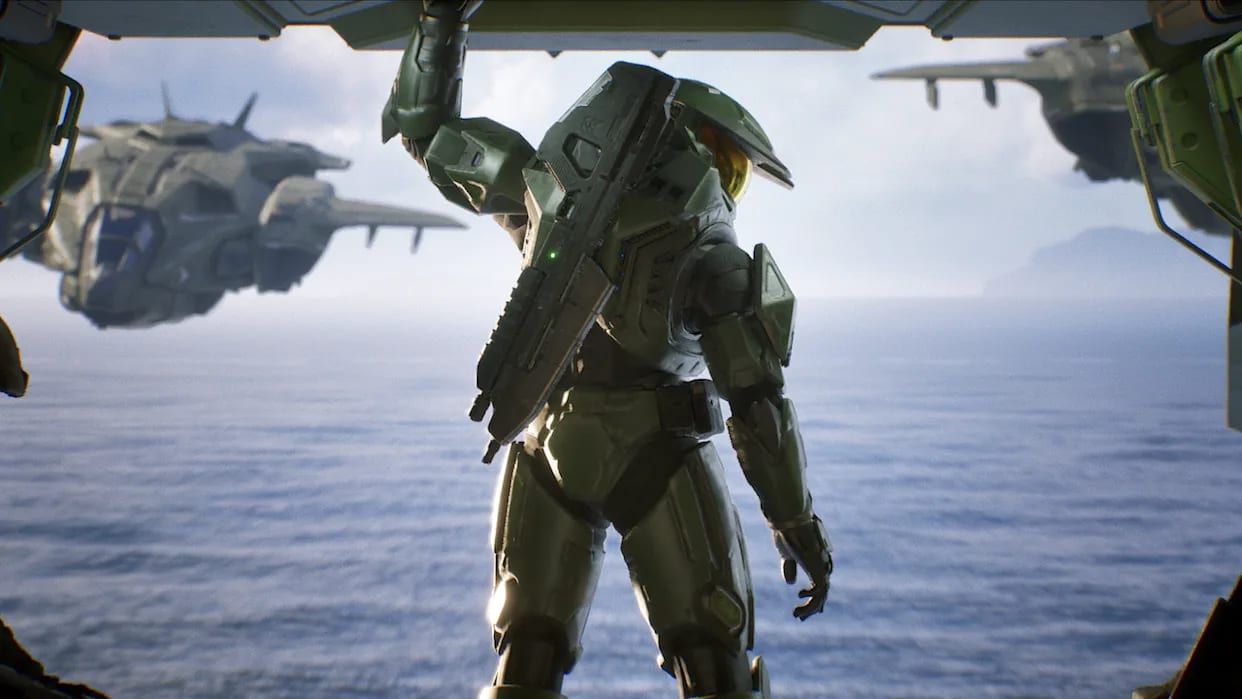
The simple answer is no. Microsoft is continuing its strategy of making its games available on as many platforms as possible, something Ronald reiterated during his Xbox Developer Summit keynote address at GDC 2026.
“Players should be able to play these games [Xbox games] and more across devices, whether through purchases, subscriptions like Xbox Game Pass, or from other leading storefronts. Xbox Play Anywhere allows your games to move with you seamlessly across screens. Your progress carries forward, the time you’ve invested stays with you, and you only need to buy a game once. The Xbox Play Anywhere game catalog has grown to over 1,500 games, and 500 development teams have already shipped games with Xbox Play Anywhere.”
It means we can expect future first-party releases from Xbox Studios to release on other platforms like the PS5 and PS6, as Microsoft gambles on players wanting access to their games across multiple devices, instead of being drawn into an ecosystem by games they can’t play anywhere else.
Up next: Xbox mode is coming to every Windows 11 PC this April
Adam Vjestica is The Shortcut’s Senior Editor. Formerly TechRadar’s Gaming Hardware Editor, Adam has also worked at Nintendo of Europe as a Content Marketing Editor, where he helped launch the Nintendo Switch. He also runs a retro gaming YouTube channel called Game on, boy! Follow him on X @ItsMrProducts.


.jpeg)